
Bologna
Bologna is defined by its shadows and its scents.
Guests & rooms
The Bologna guide
An insider’s read on Bologna
BBologna is defined by its shadows and its scents.
Historically known by three epithets—La Rossa (for its red-brick rooftops and left-wing political heritage), La Dotta (the learned, home to the university founded in 1088), and La Grassa (the fat, celebrating its rich culinary tradition)—Bologna’s identity is anchored in intellectual independence and culinary indulgence. The medieval city plan remains remarkably intact, dominated by brick towers and covered walkways built to accommodate the influx of students in the 11th century. This academic energy still defines the city, keeping it youthful, politically active, and culturally progressive.

PLATE IBologna, Italy

Where to base yourself
The neighborhoods
01
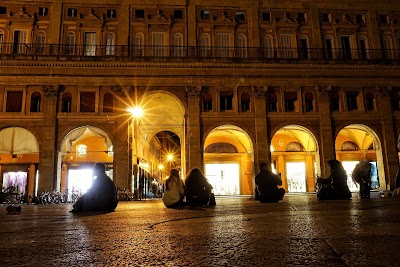
Quadrilatero
For Food lovers who want to be in the center of the action. The trade-off is constant crowds, high noise levels, and premium accommodation prices.
The ancient Roman heart of the city, characterized by narrow medieval alleys packed with historic food stalls, fishmongers, and delicatessens.
Where to stay — Upscale boutique hotels and historic apartments tucked above the busy shopping streets.
02
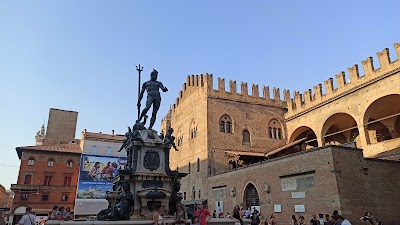
Bolognina
For Budget travelers and those seeking a contemporary local vibe. The trade-off is a gritty aesthetic and a fifteen-minute walk to the historic center.
Located just north of the central train station, this former working-class district is now a multi-ethnic, artistic hub with a distinct community feel.
Where to stay — Modern apartments, design hostels, and budget-friendly hotels near the station.
03
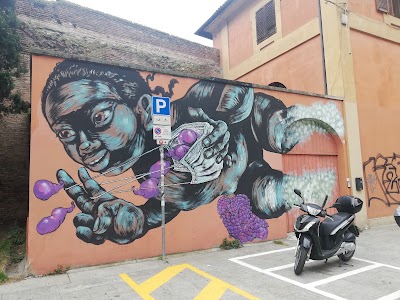
Via del Pratello
For Night owls and younger travelers. The trade-off is that it can be incredibly loud and rowdy until the early hours of the morning.
A bohemian, long street lined with dive bars, osterias, and political graffiti, representing the city's counter-cultural spirit.
Where to stay — Simple guesthouses and low-key rental apartments.
04
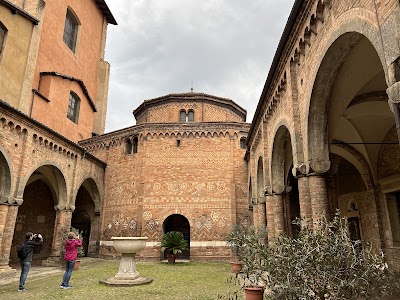
Santo Stefano
For Travelers seeking quiet, architectural beauty, and a refined atmosphere. The trade-off is higher prices and fewer late-night dining options.
The most elegant and quiet residential pocket of the center, centered around a beautiful, triangular cobblestone square.
Where to stay — High-end boutique hotels and quiet, historic guesthouses.
05
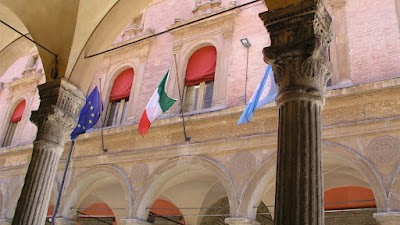
University District (Zona Universitaria)
For Young travelers and budget hunters. The trade-off is that the streets can be dirty, chaotic, and heavily graffitied.
Centered around Via Zamboni, this area is packed with students, bookshops, and political posters, buzzing with raw intellectual energy.
Where to stay — Budget guesthouses and student-friendly hostels.
06
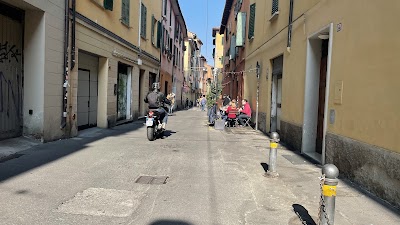
Saragozza
For Families and slow travelers who want a peaceful, local experience. The trade-off is a longer commute to the central sights.
A leafy, affluent residential neighborhood stretching from the city walls up toward the southwestern hills.
Where to stay — Charming bed and breakfasts and residential apartments.
Book direct
Book a hotel in Bologna
Loading live availability and real-time prices…
Where to eat
Dining
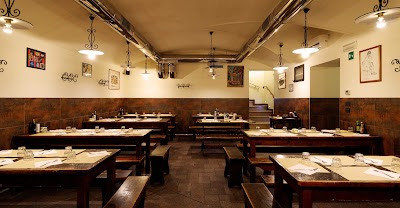
Osteria dell'Orsa
€University District
It is the quintessential student tavern where long communal tables foster conversation over steaming bowls of fresh pasta.
Signature — Tagliatelle al ragù
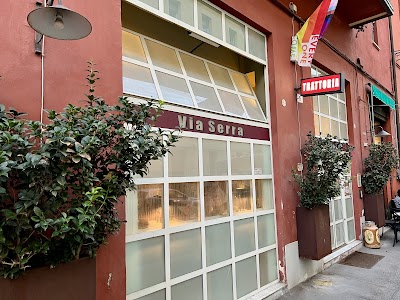
Trattoria di Via Serra
€€Bolognina
This slow-food sanctuary sources ingredients exclusively from the surrounding Apennine hills, elevating humble mountain recipes.
Signature — Tortelloni filled with ricotta and mountain herbs
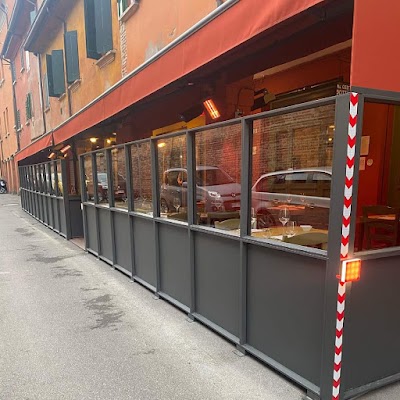
All'Osteria Bottega
€€€Saragozza
A temple of traditional gastronomy where the ingredients are sourced with obsessive care and served in a formal, classic setting.
Signature — Tortellini in brodo di cappone (capon broth)
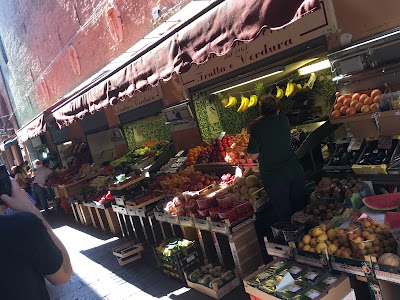
Osteria del Sole
€Quadrilatero
Operating since 1465, this historic tavern only serves wine; you must bring your own food purchased from the nearby market stalls.
Signature — A glass of local Pignoletto wine
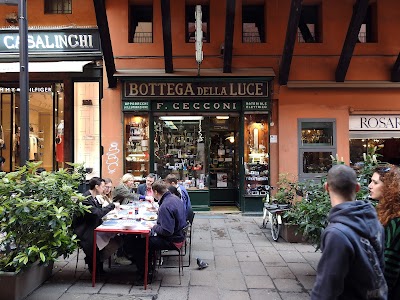
Trattoria Gianni
€€Centro
Tucked away in a quiet alley near the main square, it offers reliable, classic Bolognese comfort food with warm service.
Signature — Gramigna con salsiccia (curly pasta with sausage ragù)
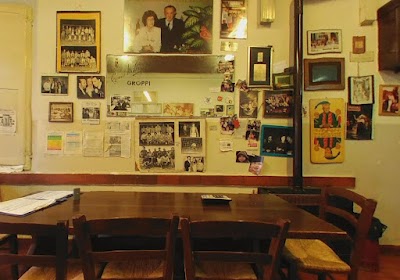
Trattoria da Vito
€€Cirenaica
A legendary rustic tavern once frequented by Italian singer-songwriters, maintaining an old-school, no-nonsense atmosphere.
Signature — Cotoletta alla Bolognese (veal cutlet with prosciutto and melted parmigiano)
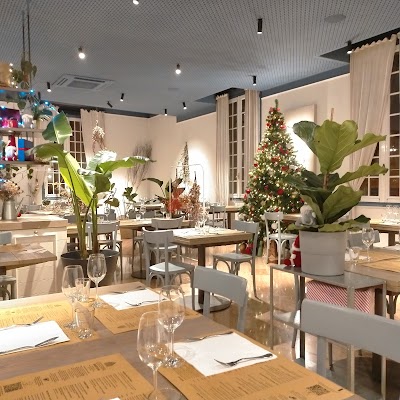
Osteria Bartolini
€€Centro
It brings the Adriatic coast to the city center, serving pristine fried fish under a massive, ancient plane tree.
Signature — Gran Fritto dell'Adriatico (mixed fried seafood)
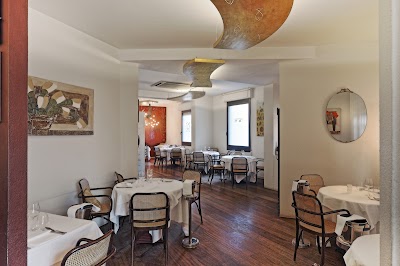
Acqua Pazza
€€€€Marconi
A refined establishment focusing on high-end, southern Italian seafood preparations with clean, modern plating.
Signature — Raw seafood platter (crudo)
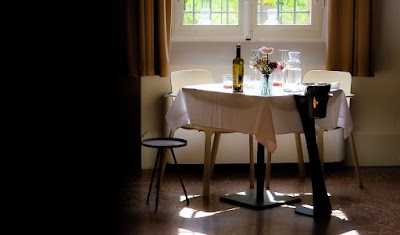
Ristorante Scacco Matto
€€€San Vitale
Creative, contemporary seafood dishes served in a beautiful, historic courtyard during the summer months.
Signature — Seared octopus with seasonal vegetables
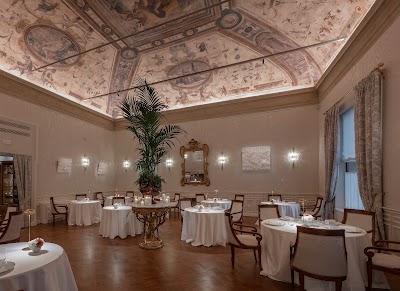
Ristorante I Carracci
€€€€Centro
Dine under magnificent 16th-century frescoes by the Carracci brothers, enjoying impeccably prepared regional meats.
Signature — Filet of beef with local black truffles
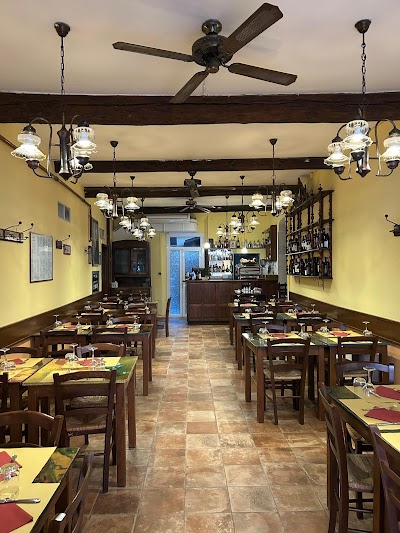
Trattoria Trebbi
€€Saragozza
A neighborhood favorite known for its friendly service and excellent execution of grilled meats and traditional roasts.
Signature — Grilled pork ribs
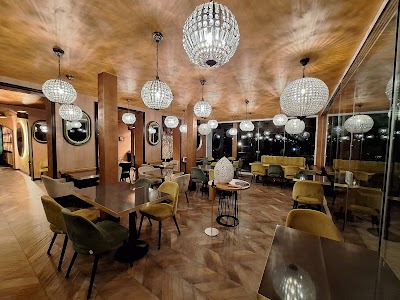
Maxela
€€€Centro
Part butcher shop, part restaurant, specializing in Piedmontese beef aged on-site and cooked to order.
Signature — Bistecca alla Fiorentina (T-bone steak)
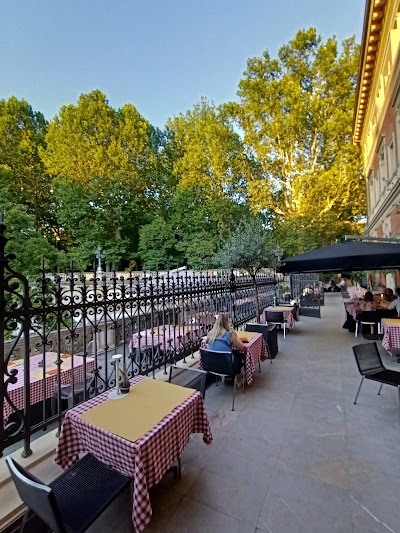
I Portici Ristorante
€€€€Centro
Set inside a grand, former 19th-century theater, this Michelin-starred venue offers a dramatic backdrop for highly creative cuisine.
Signature — Modern interpretation of traditional tortellini
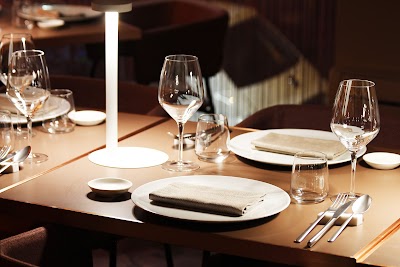
Oltre
€€€Centro
A sleek, speakeasy-style restaurant that applies fine-dining precision to classic Bolognese recipes in a contemporary room.
Signature — Pigeon with seasonal accompaniments
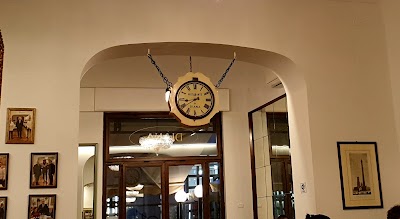
Ristorante Diana
€€€€Centro
A historic institution with white-jacket service, representing the old-world elegance of Bolognese high society.
Signature — Il Carrello dei Bolliti (the boiled meat trolley)
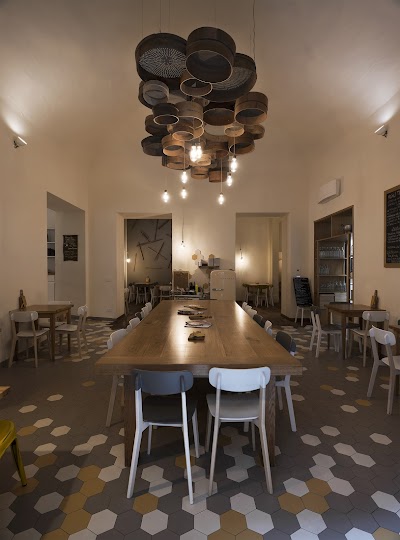
Sfoglia Rina
€Centro
A modern pasta shop where you choose your freshly made pasta from the counter to be cooked and served immediately.
Signature — Gramigna with sausage and saffron
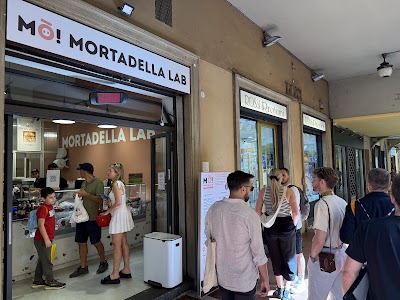
Mo Mò
€Centro
A tiny spot specializing in hot, freshly baked tigelle and crescentine served with premium local cold cuts.
Signature — Tigelle filled with squacquerone cheese and rocket
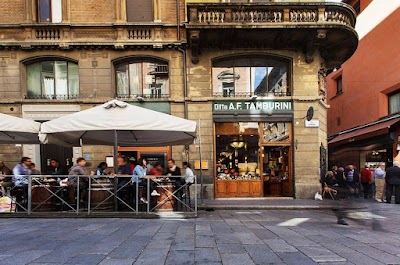
Tamburini
€Quadrilatero
A historic delicatessen offering a self-service lunch counter with high-quality traditional dishes at excellent prices.
Signature — Lasagna alla Bolognese
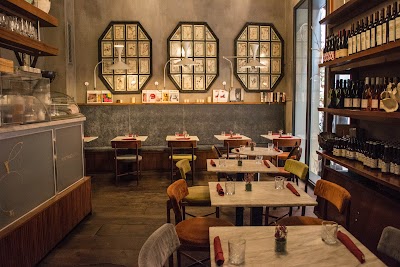
Botanica Lab
€€Centro
A stylish, fully plant-based restaurant focusing on organic, raw, and cooked dishes made with high-quality seasonal ingredients.
Signature — Raw zucchini noodles with cashew pesto
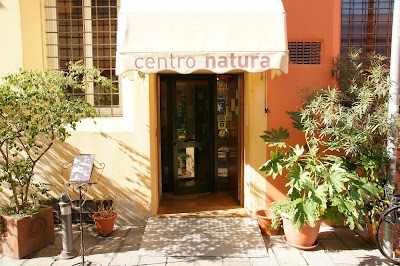
Centro Natura
€Centro
An organic self-service buffet located in a historic building, offering a peaceful atmosphere and healthy, macrobiotic-leaning options.
Signature — Seasonal vegetable tempura
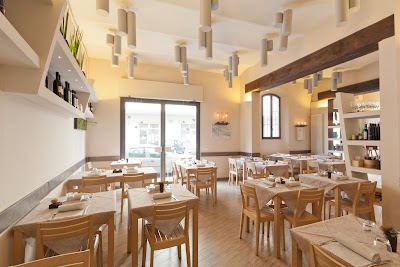
Zenzero
€€Porto
An organic bistro serving creative vegetarian and vegan dishes made with locally sourced, biodynamic ingredients.
Signature — Savory vegetable tart with local herbs
After dark
Nightlife
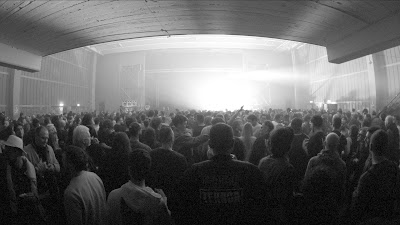
Link
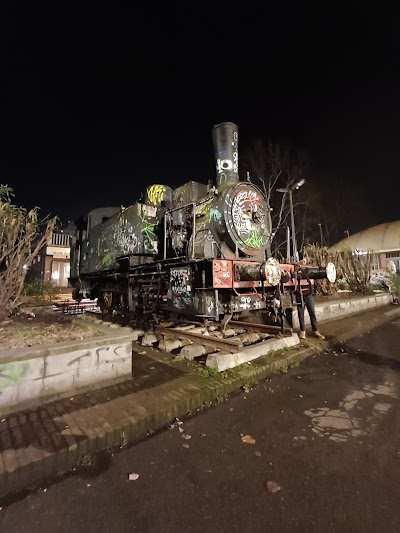
San Donato
A legendary warehouse venue on the outskirts of the city, famous for hosting world-class techno and electronic music acts.
Locomotiv Club
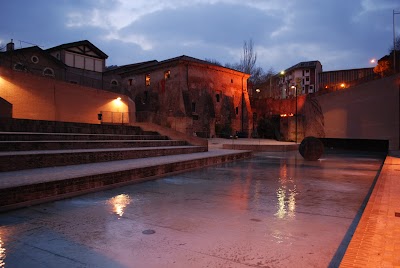
Bolognina
Located inside a park behind the train station, this venue hosts excellent indie rock gigs and alternative club nights.
Cassero LGBT Center
Porto
Housed in a medieval gatehouse, this historic venue is the heart of the city's queer nightlife and cultural activism.
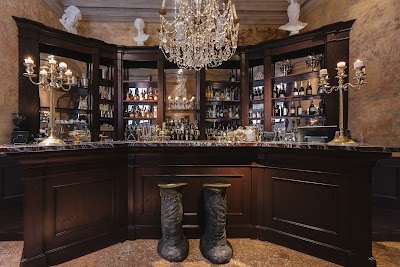
Camera con Vista Bistrot
Santo Stefano
An opulent, French-inspired bar filled with antiques, serving some of the most complex and creative craft cocktails in the city.
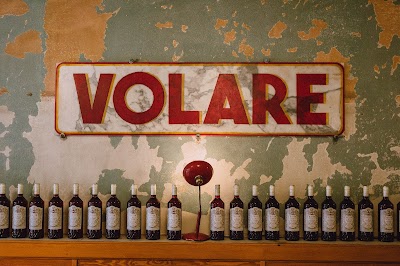
Volare
Pratello
A retro-styled bar celebrating mid-century Italian design, specializing in classic Italian aperitivi and amari.
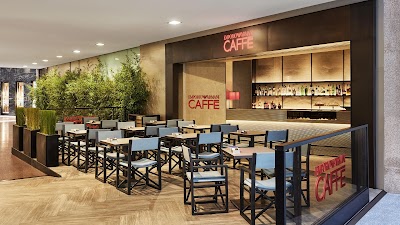
Emporio Armani Caffè
Centro
A sleek, modern terrace overlooking the historic streets, perfect for high-end people-watching and premium mixology.
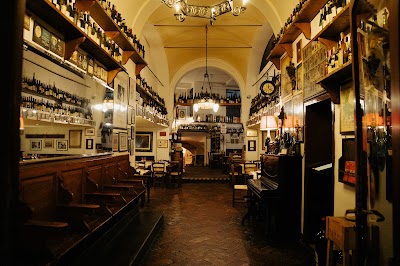
Cantina Bentivoglio
Centro
A subterranean brick-vaulted cellar that has been hosting top-tier international and local jazz acts for decades.
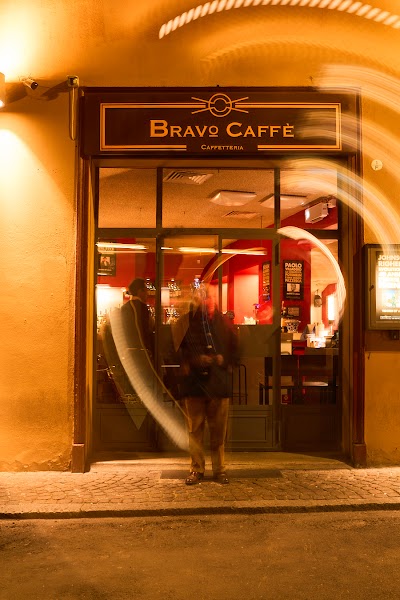
Bravo Caffè
Centro
An intimate venue hosting a diverse lineup of soul, jazz, and pop artists alongside a great wine list.
Art & history
Culture
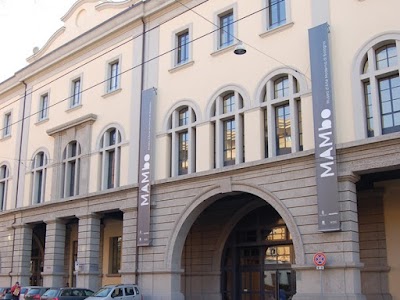
MAMbo (Museo d'Arte Moderna di Bologna)
Porto
It houses an exceptional collection of modern and contemporary art, including the permanent collection of local painter Giorgio Morandi.
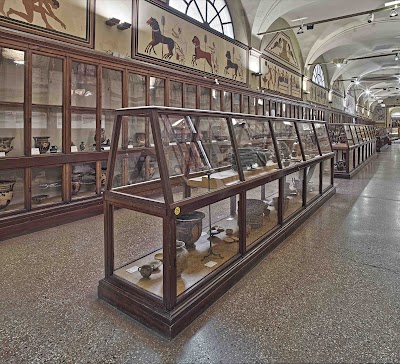
Museo Civico Archeologico
Centro
Located in a Renaissance palace, it features one of the most important Egyptian collections in Europe and rich Etruscan artifacts.
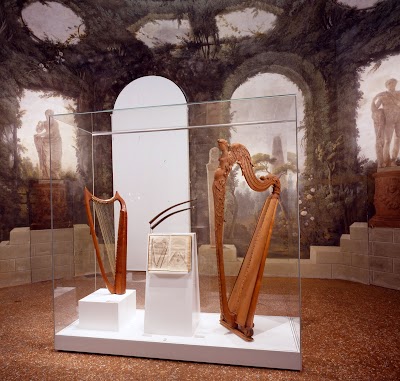
Museo Internazionale e Biblioteca della Musica
Santo Stefano
A beautiful museum showcasing centuries of musical history, rare instruments, and original scores by Mozart and Rossini.
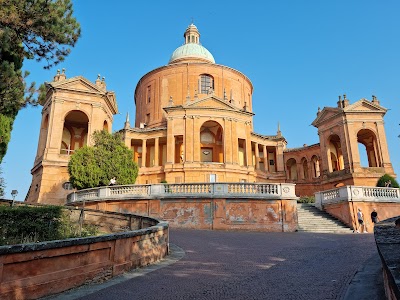
Sanctuary of the Madonna di San Luca
Saragozza
A hilltop basilica connected to the city by the world's longest continuous portico, consisting of 666 arches.
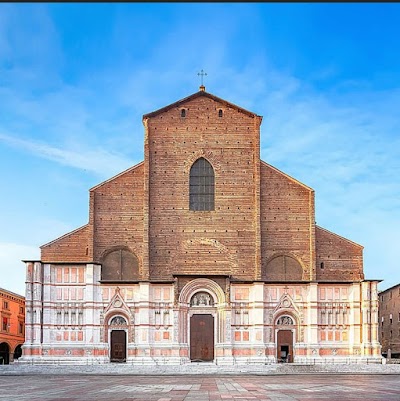
Basilica di San Petronio
Centro
The world's largest brick Gothic church, famous for its unfinished facade and the longest indoor meridian line in the world.
Basilica di Santo Stefano
Santo Stefano
Known as the 'Seven Churches', this is a fascinating, labyrinthine complex of interconnected medieval chapels and cloisters.
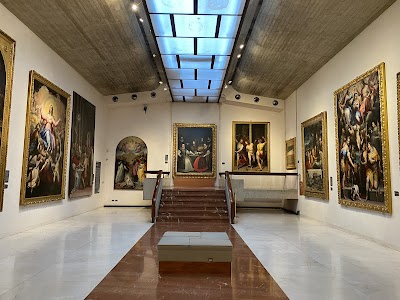
Pinacoteca Nazionale di Bologna
University District
It houses essential works from the Emilian school of painting, including masterpieces by Raphael, Giotto, and Guido Reni.
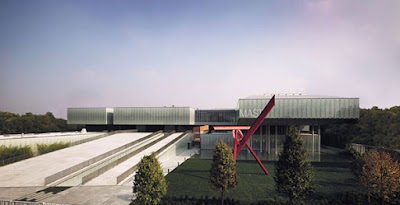
MAST (Manifattura di Arte, Sperimentazione e Tecnologia)
Borgo Panigale
A futuristic, private industrial complex dedicated to photography and technology, exploring the relationship between art and industry.
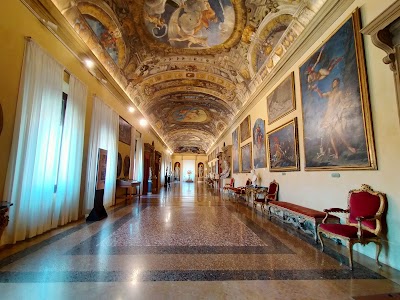
Collezioni Comunali d'Arte
Centro
Art collections displayed inside the lavish, historic apartments of the Palazzo d'Accursio, overlooking Piazza Maggiore.
Book ahead
Top-rated experiences in Bologna

Bologna Food Tour and Enogastronomia Experience with Local Chef
from $114

Felsina Culinaria - Personalised Private Cooking Course
from $326

Best of Bologna in one day : Food, architecture, art and history
from $169

Pasta Class in Bologna in a 15th-Century Estate Home with Chiara
from $194

Welcome to Bologna! Private Walking Tour
from $187

Parmigiano, Prosciutto and Traditional balsamic Tour from Bologna
from $338

Gelato Crawl Tour Bologna: See Italy's Food Capital in a New Way
from $87

Bologna: Photo tour with professional photographer
from $152
These are affiliate links. We may earn a commission when you book — at no extra cost to you. Tours are sold and operated by Viator, the merchant of record. Ratings collected by Viator and Tripadvisor.
Timing
When to visit
Spring
April to June brings pleasant temperatures and outdoor cultural festivals. The city is lively with students, and outdoor dining is at its peak.
Summer
July and August can be stiflingly hot and humid. Many local shops and restaurants close for several weeks in August as residents head to the coast.
Autumn
September to November is prime culinary season. The weather cools down, making it perfect for rich ragù and white truffles from the nearby hills.
Winter
December to February is cold and foggy, but highly atmospheric. The city is quiet, and it is the best time to enjoy hot tortellini in brodo without the crowds.
What it costs
Budgeting
Logistics
Getting around
From the airport
The Marconi Express monorail connects Bologna Guglielmo Marconi Airport to the central train station in under ten minutes, running frequently throughout the day.
Public transit
The city is served by an efficient network of orange and red TPER buses. Tickets must be purchased before boarding at tobacconists (tabacchi) or via contactless payment on board.
Passes & tickets
The Bologna Welcome Card offers entry to major museums and a guided walking tour, available in basic and plus tiers (€-€€). It is highly cost-effective if you plan to visit multiple civic museums.
On foot
Bologna is exceptionally walkable. The extensive network of porticoes provides shelter from both rain and sun, making walking the preferred method of exploration.
Travel smart
Safety & etiquette
Local etiquette
- •Do not order a cappuccino after 11:00 AM; it is strictly a breakfast drink.
- •When visiting churches, ensure your shoulders and knees are covered.
- •Do not touch produce with bare hands at market stalls; wait for the vendor to assist you or use the provided plastic gloves.
From the ground
Practical tips
1
Buy bus tickets at a 'Tabacchi' (tobacconist) before boarding to save money, as buying on board is more expensive.
2
Avoid visiting in August, when many of the best local restaurants and shops close for summer holidays.
3
Take advantage of the free drinking water fountains (fontanelle) scattered around the historic center.
4
If you want to climb the Asinelli Tower, you must book your time slot online well in advance.
5
Visit the Quadrilatero market early in the morning to see the stalls fully stocked before the lunch crowds arrive.
6
Use regional trains rather than high-speed ones for day trips to Modena or Ferrara to save money on tickets.
Bologna FAQs
Is English widely spoken in Bologna?
Yes, English is widely spoken in hotels, central restaurants, and shops, largely due to the international student population.
Can I visit the Two Towers?
The Garisenda tower is currently closed for structural stabilization, and access to the Asinelli tower may be restricted; check official local updates before planning a climb.
How many days do I need in Bologna?
Two to three days is the perfect amount of time to see the main sights, enjoy the food culture, and explore the historic center at a relaxed pace.
What is the local wine I should try?
Try Pignoletto, a crisp, often sparkling white wine, or Lambrusco, a dry, sparkling red that cuts through the richness of local meats.
Are reservations necessary for restaurants?
Yes, for popular traditional trattorias, reservations are highly recommended, often weeks in advance for weekend dinners.