The Bologna issue
Bologna's Hunger: How Food Built the Soul of the City
A local writer's honest, plate-by-plate guide to eating in Bologna la Grassa — from the city's most obsessive ragù to a 1465 wine tavern where you bring your own dinner.
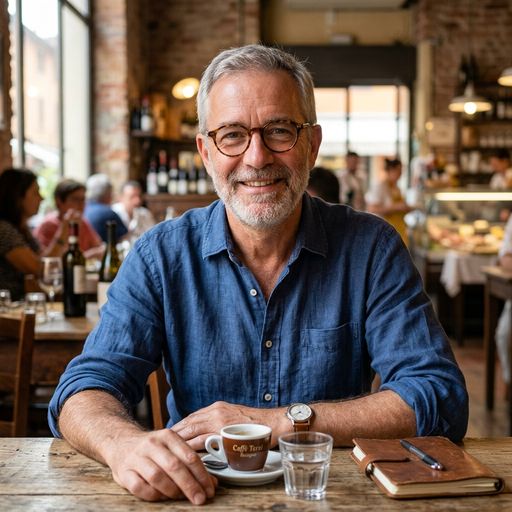
By Matteo VaccariRagù cooked properly, and where to find it
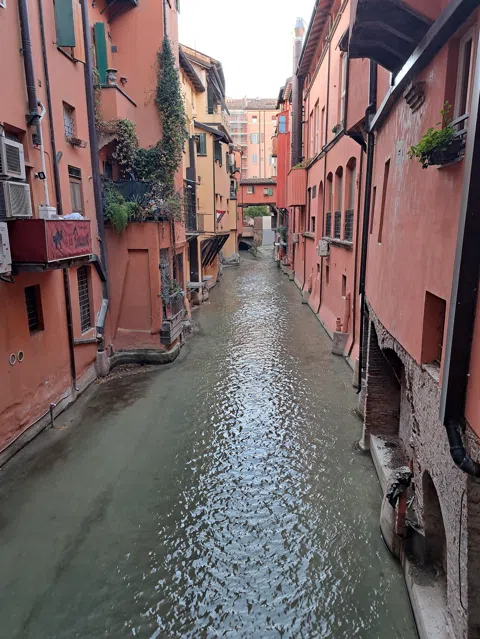
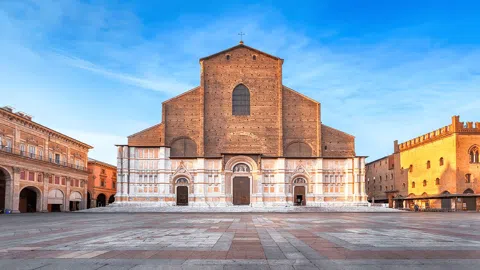
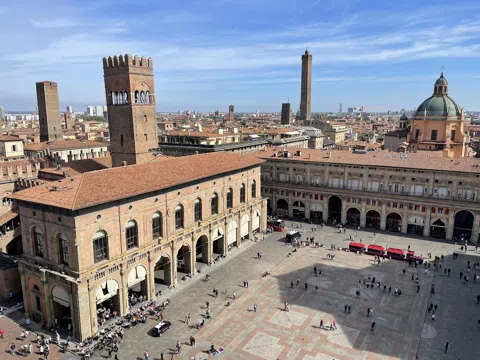
Bologna does not seduce you with a skyline. It feeds you. Under nearly forty kilometres of porticoes the city keeps its promises in the kitchen — a steaming bowl of tortellini in brodo, a sheet of sfoglia rolled thin enough to read a newspaper through, a ragù that has been murmuring on the stove since dawn. They call it la Grassa, "the fat one," and the nickname is a boast, not an apology. What follows is a guide to eating it the way Bolognesi do: honestly, seasonally, and without a single plate of so-called "spaghetti bolognese," which does not exist here and never has.
First, the ragù reckoning
Let us settle it early, because everything else in this city radiates out from the question. There is no spaghetti al ragù in Bologna. The sauce — slow, meaty, built on a soffritto and a long, patient reduction — marries tagliatelle, the porous egg ribbon cut just wide enough to catch it, or it layers into lasagne verdi, the green spinach sheets that are the Sunday standard. Spaghetti is too smooth, too southern, too slippery. Order it and you announce yourself a tourist; order tagliatelle al ragù and the kitchen relaxes.
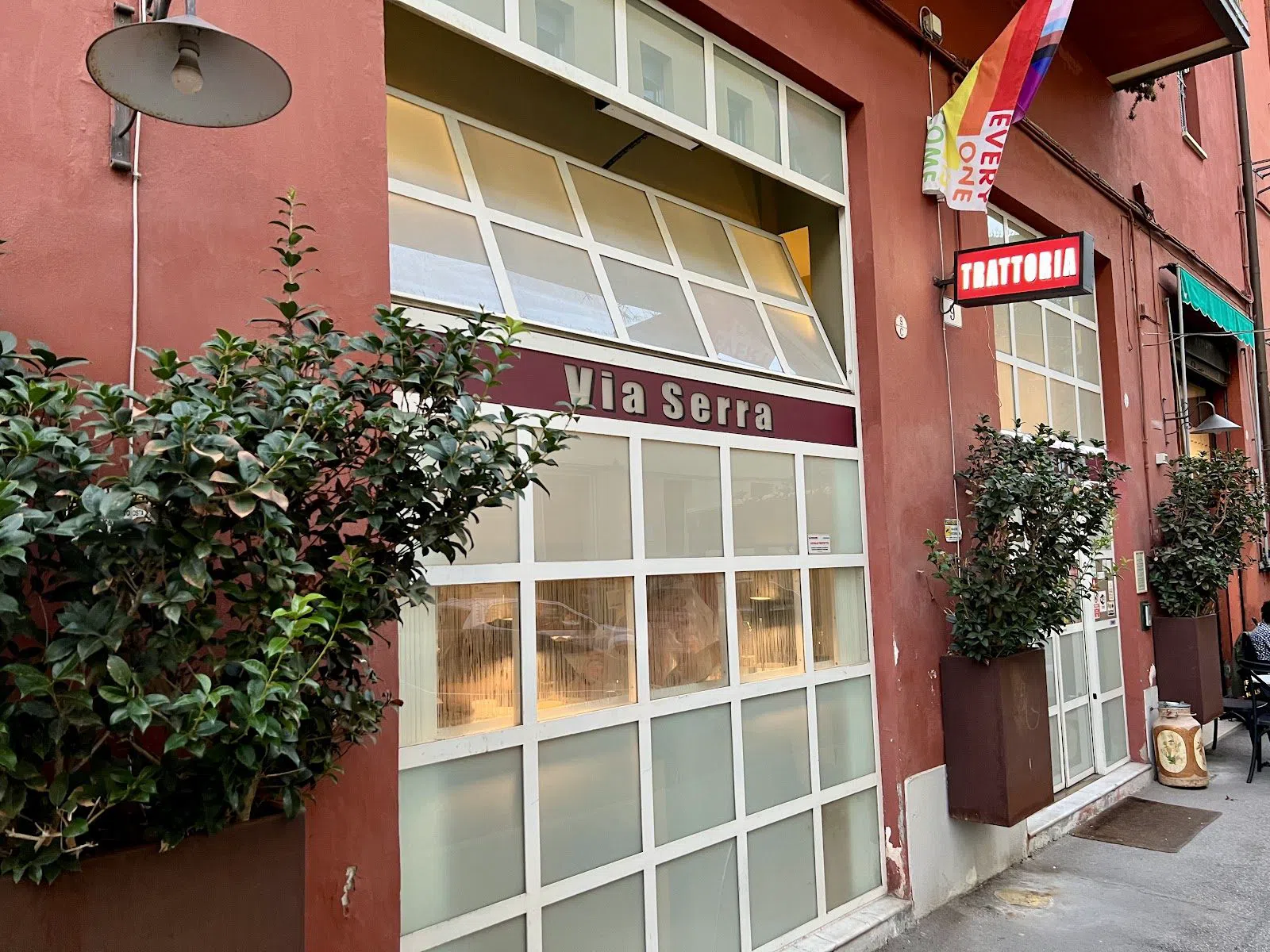
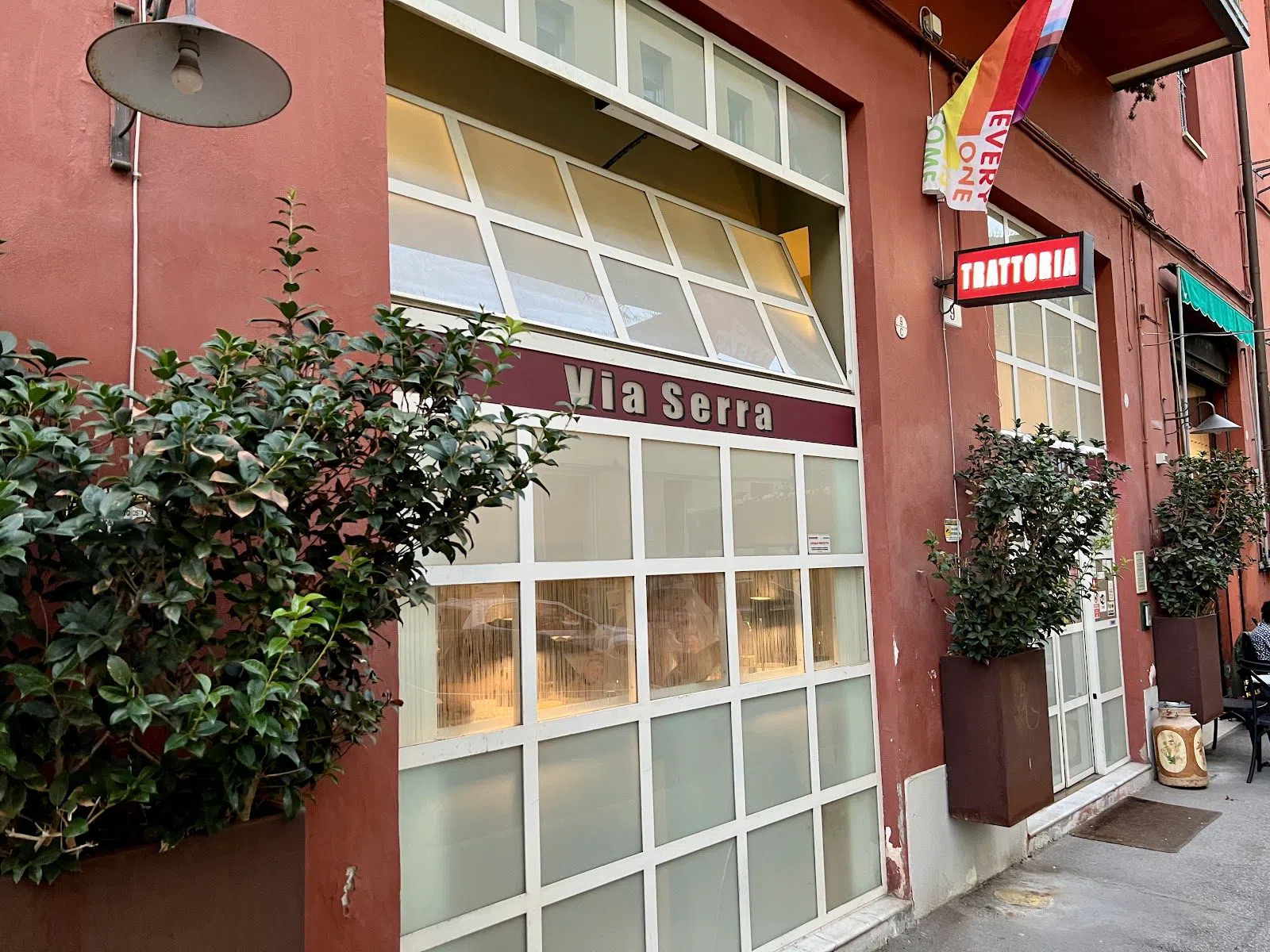
For the sauce at its most obsessive, cross the tracks to Trattoria di Via Serra (Bolognina, just north of the station). It is tiny — two intimate rooms, a handful of tables — and it is widely rated the best ragù in the city, the reward of near-fanatical sourcing from the Apennine foothills. That reputation has a cost: the food tours have found it, the place books out roughly a month ahead, and walk-ins almost never get in. Mains run a fair €12–16. If you want one temple meal on the trip, reserve this one first and build the rest of your days around it. It takes small groups only, so a couple or a foursome is the sweet spot; a big party will not fit.
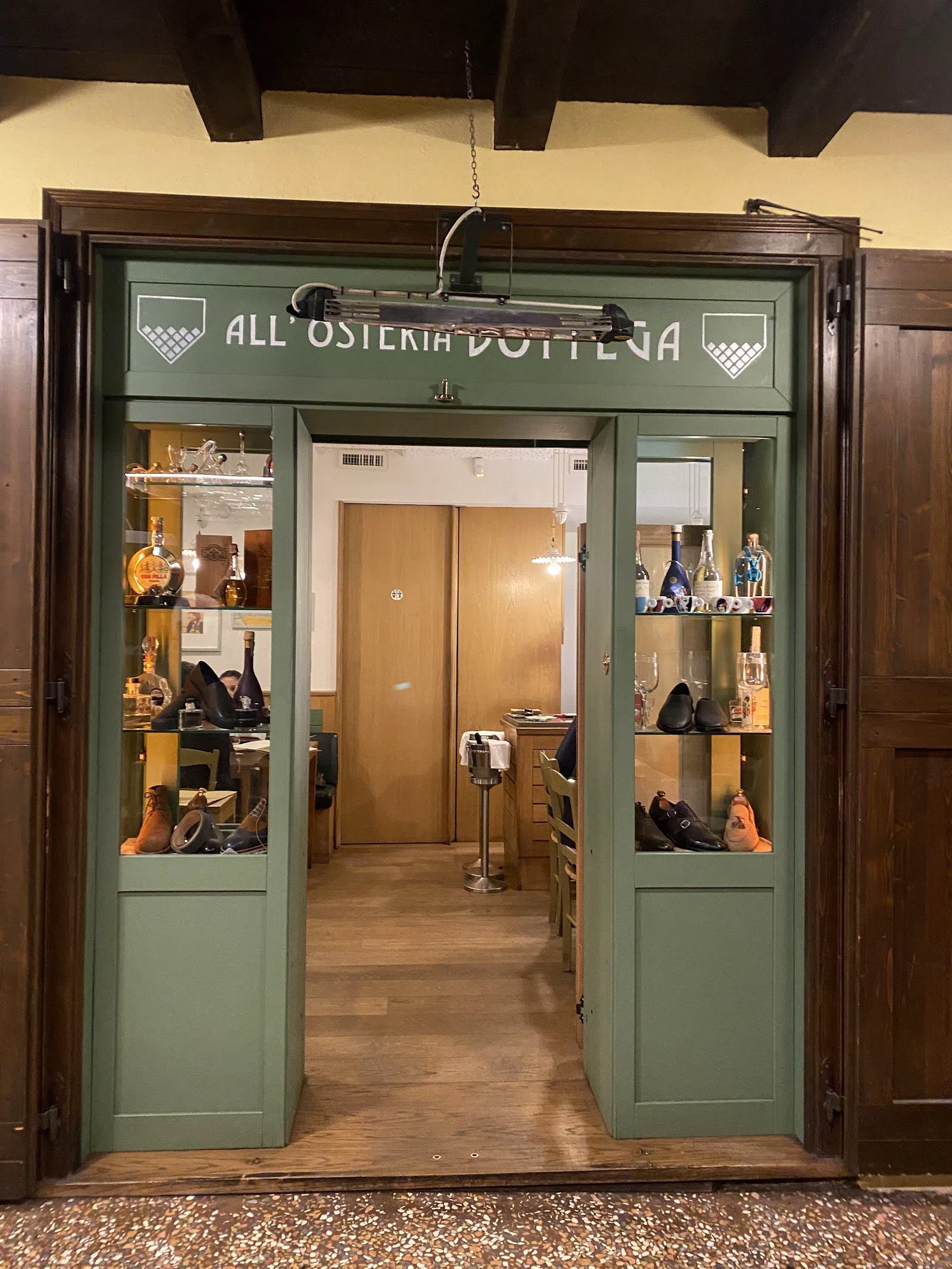
A little west, toward Porta Sant'Isaia, All'Osteria Bottega (Saragozza) is the chefs' choice — a small room run by the veteran host Daniele "Dandy" Minarelli, where the ragù comes deep amber and silky and the salumi are museum-grade. This is a €€€ room (mains ~€16–22) and reservations are essential; book several days ahead. It welcomes small groups but will not seat a large party, so keep it to four or six who care about what is on the plate.
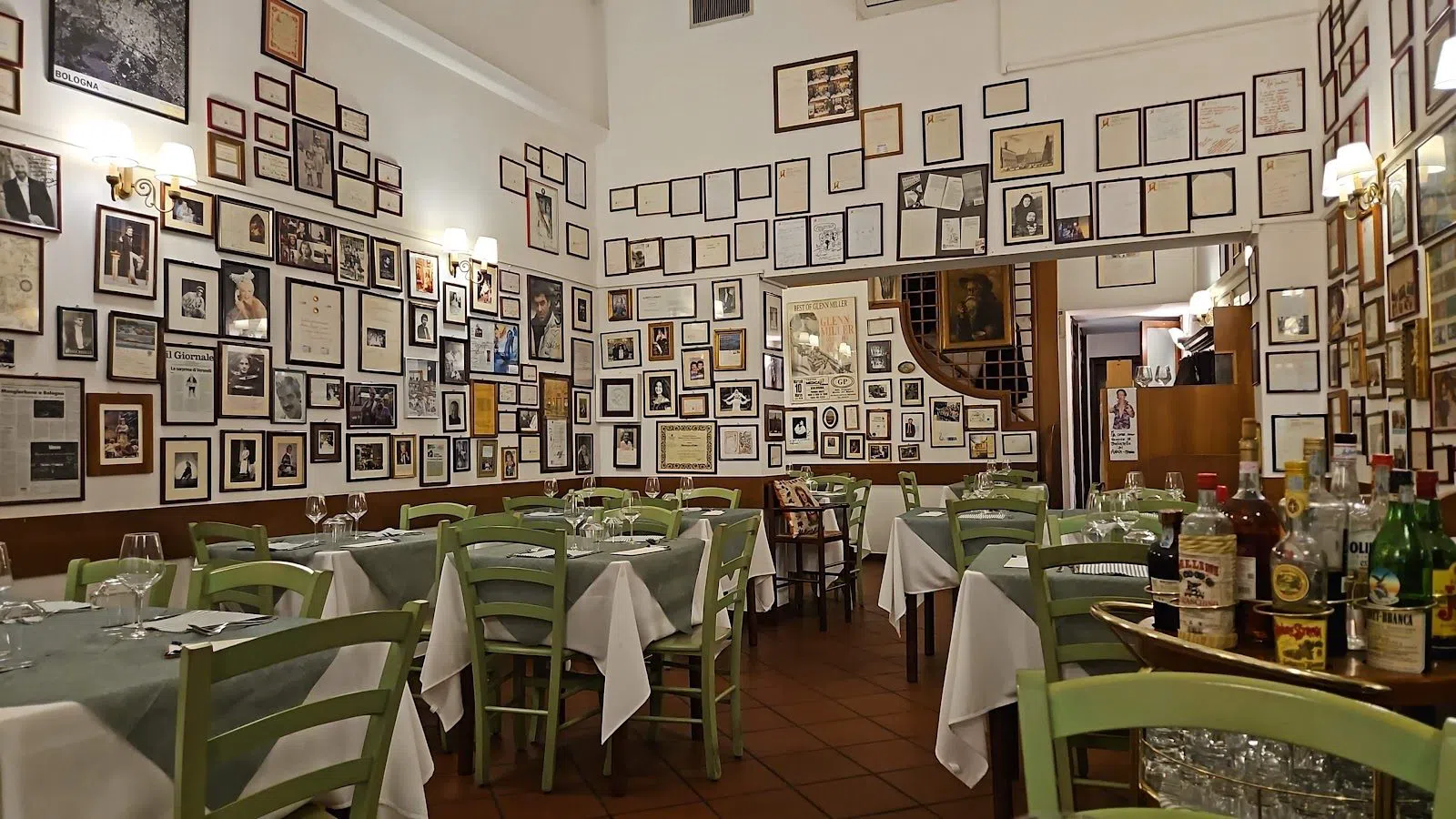
If you are travelling as a proper group and still want the classic hand-rolled repertoire, Trattoria Anna Maria (the university quarter, near Via delle Belle Arti) is your friend. It is roomy by Bologna's cramped standards, genuinely welcomes groups, and rolls its pasta fresh every morning. Reservations are strongly advised, lunch especially. Mains sit around €12–18. It is old-school in the best sense — walls crowded with photographs, tagliatelle and tortelloni done without irony.
Plan your Bologna trip
Live prices from our booking partners.
Free cancellation on many rooms. We may earn a commission when you book.
Eating cheap, eating young, eating well
Bologna is a student city — Europe's oldest university has been filling these porticoes with hungry, broke twenty-year-olds since 1088 — and that keeps a whole tier of honest, affordable cooking alive.
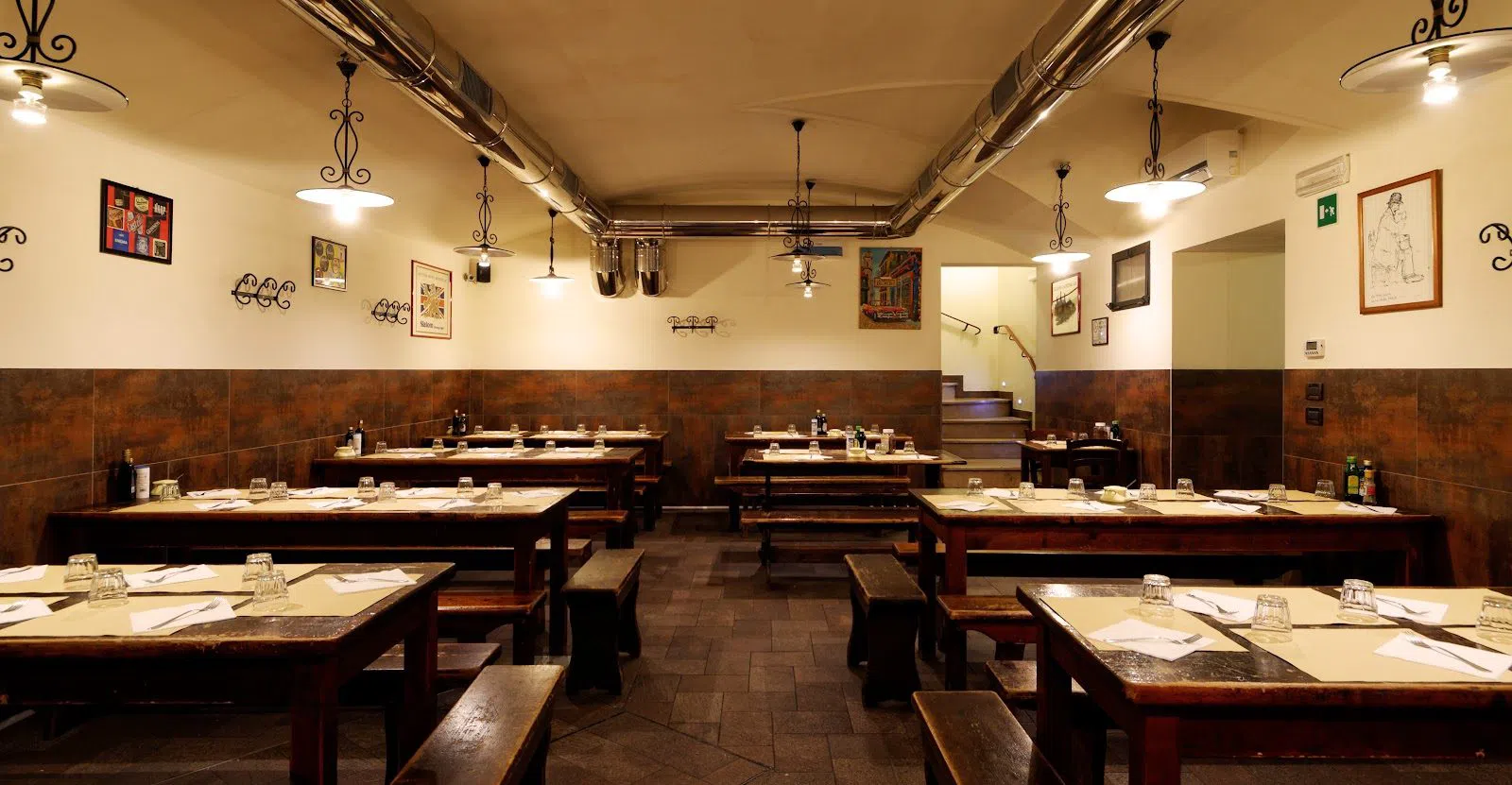
The standard-bearer is Osteria dell'Orsa (university quarter, off Via Mentana), a buzzing institution since 1979 and the cheapest respectable way into a plate of tagliatelle al ragù (~€8–10) or a bowl of tortellini in brodo. There are no reservations and the seating is communal benches, which makes it ideal for an informal group happy to squeeze in with strangers. The catch is the queue: turn up by 7pm or expect to wait twenty to thirty minutes. Bring cash to be safe and don't come in a hurry.
For the theatre of the pasta itself, go to Sfoglia Rina (central, on Via Castiglione), a handmade-pasta dynasty running since 1963. You watch the sfogline — the women who roll the sfoglia by hand, an art the city guards jealously — work the dough at the counter, then eat it minutes later. Dishes run €9–14, there are no reservations, and there will be a queue; it suits small groups content to wait or to take pasta away. It is accessible and reliable without ever feeling dumbed-down for visitors.
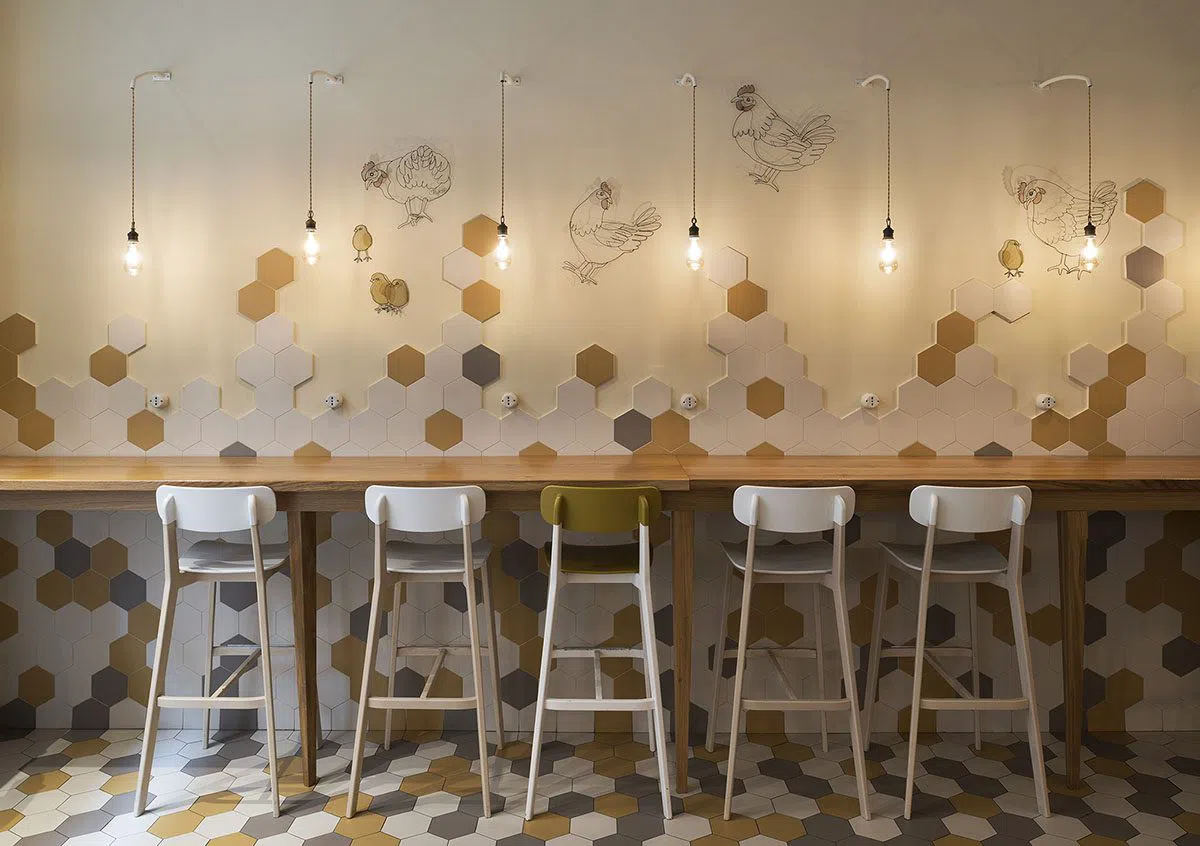
The newest star in this bracket is Trattoria Da Me (Saragozza, near Via San Felice), a modern trattoria that has become a genuine must-book. The lasagne is textbook, the tortellini serious, the tagliatelle exact, and there is a generous spread of crescentine — the puffy fried breads (elsewhere in Emilia they'll say tigelle) — served with salumi for the table. It takes reservations, seats small-to-medium groups, and is the smartest choice for a first-time group tasting where nobody yet knows what they like. Book ahead; mains are €13–18.
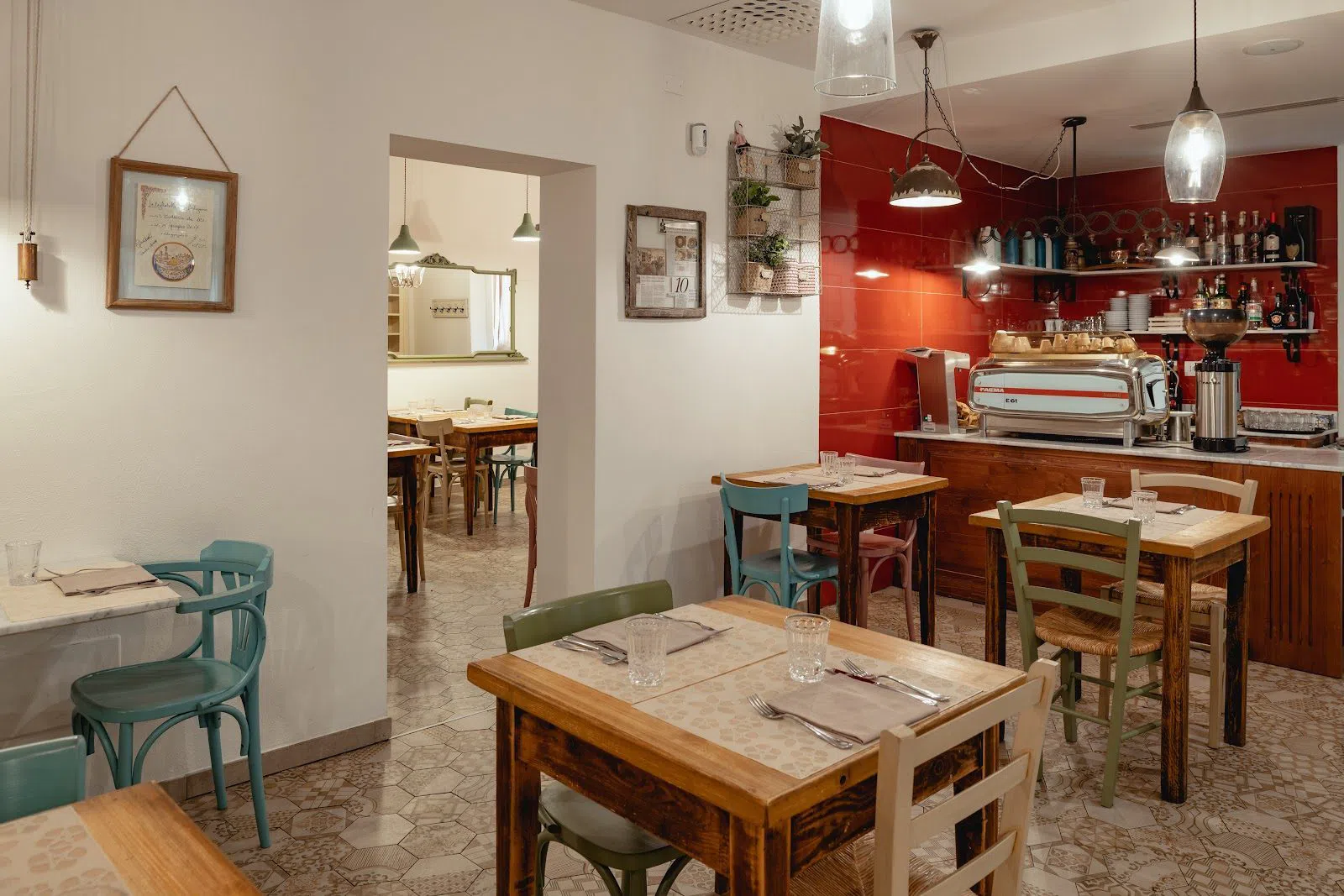
The Quadrilatero: salumi, standing up, and a tavern with no sign
The medieval market grid east of Piazza Maggiore — the Quadrilatero — is where Bologna eats with its hands, and where the group dynamics get easy, because nobody has to agree on a single menu.
Start at Salumeria Simoni (Quadrilatero, in the Via Drapperie lanes), a 1960 landmark deli that is the place to taste the real thing: proper mortadella — not the pink imposter sold abroad — alongside culatello and warm tigelle. It's counter and standing service, and casual groups can share taglieri, the cutting boards piled with salumi. Boards run €12–20. It is a taste, not a sit-down dinner; treat it as the first stop, not the whole evening.
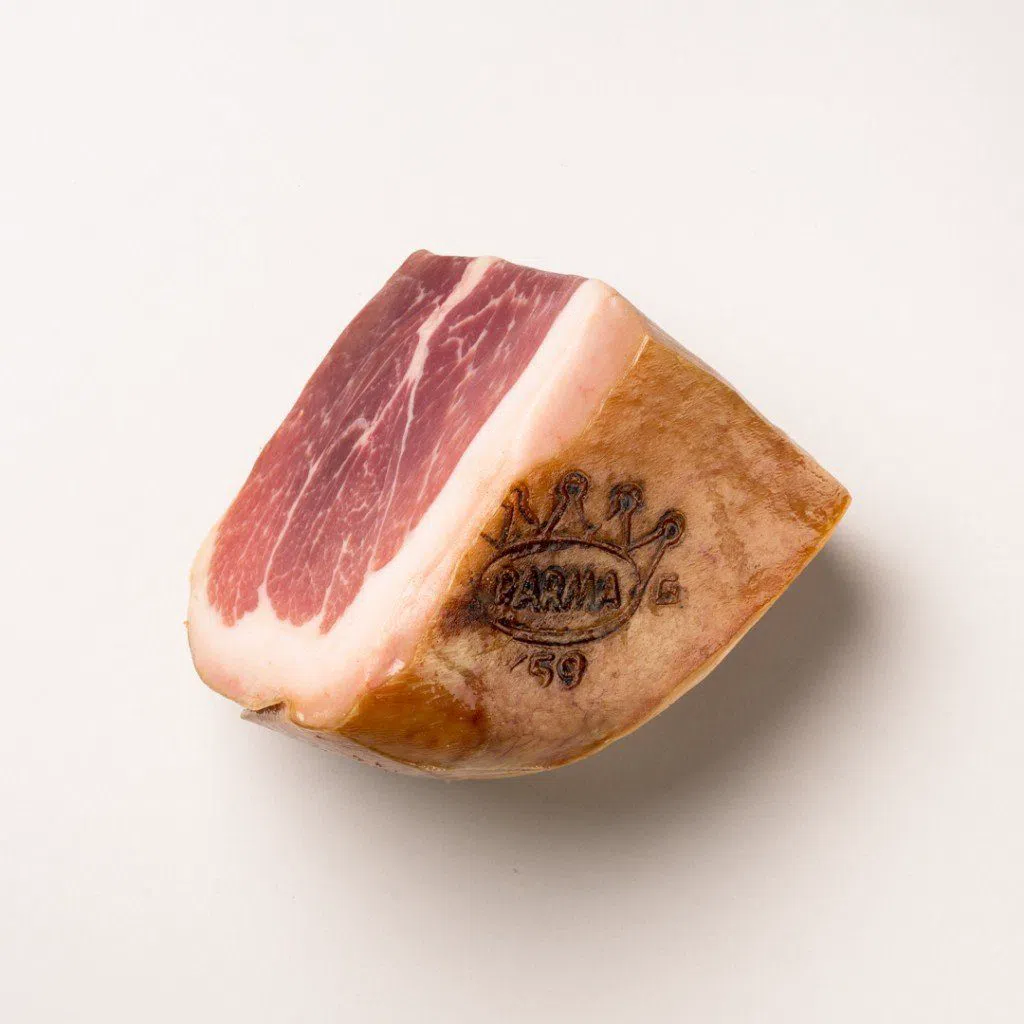
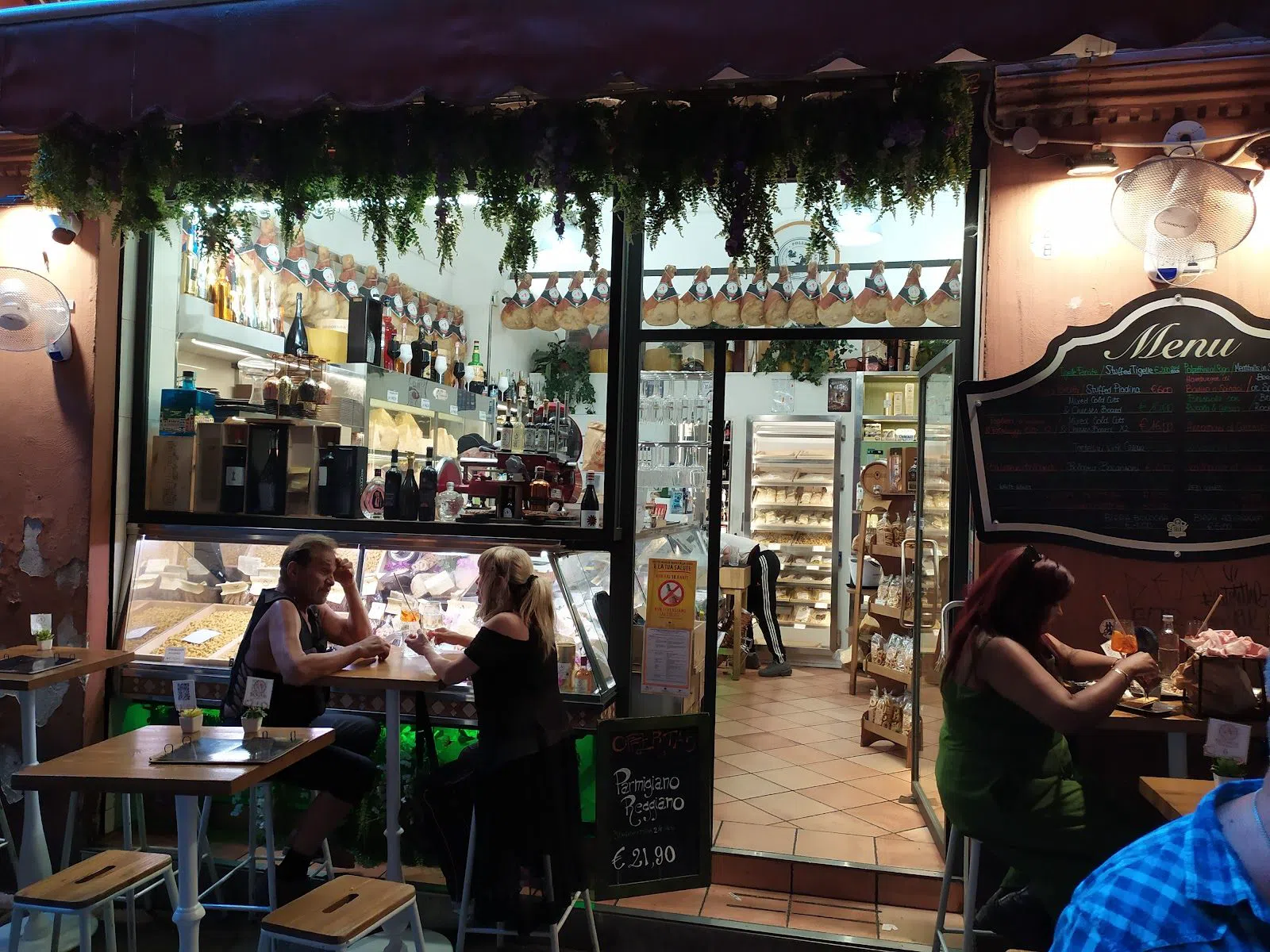
Then do the thing every guidebook should insist on. Osteria del Sole (Quadrilatero, on Vicolo Ranocchi) has poured wine since 1465 and has no kitchen, no menu, and famously no sign — you find the door or you don't. It serves wine only (a glass is a gentle €2–4), and you are expected to bring your own food from the market stalls a few metres away. Buy your salumi and bread at Simoni or the surrounding shops, carry it in, claim a stretch of the long shared tables, and watch it become the most convivial group room in the city. This is the single best-value gathering spot in Bologna and the most Bolognese thing you can do. Cash, patience with the crowd, and your own dinner are the price of entry.
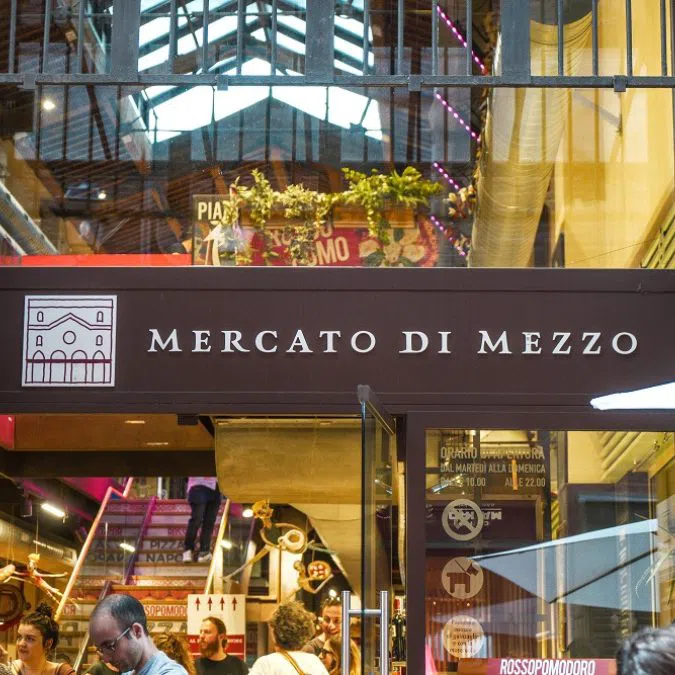
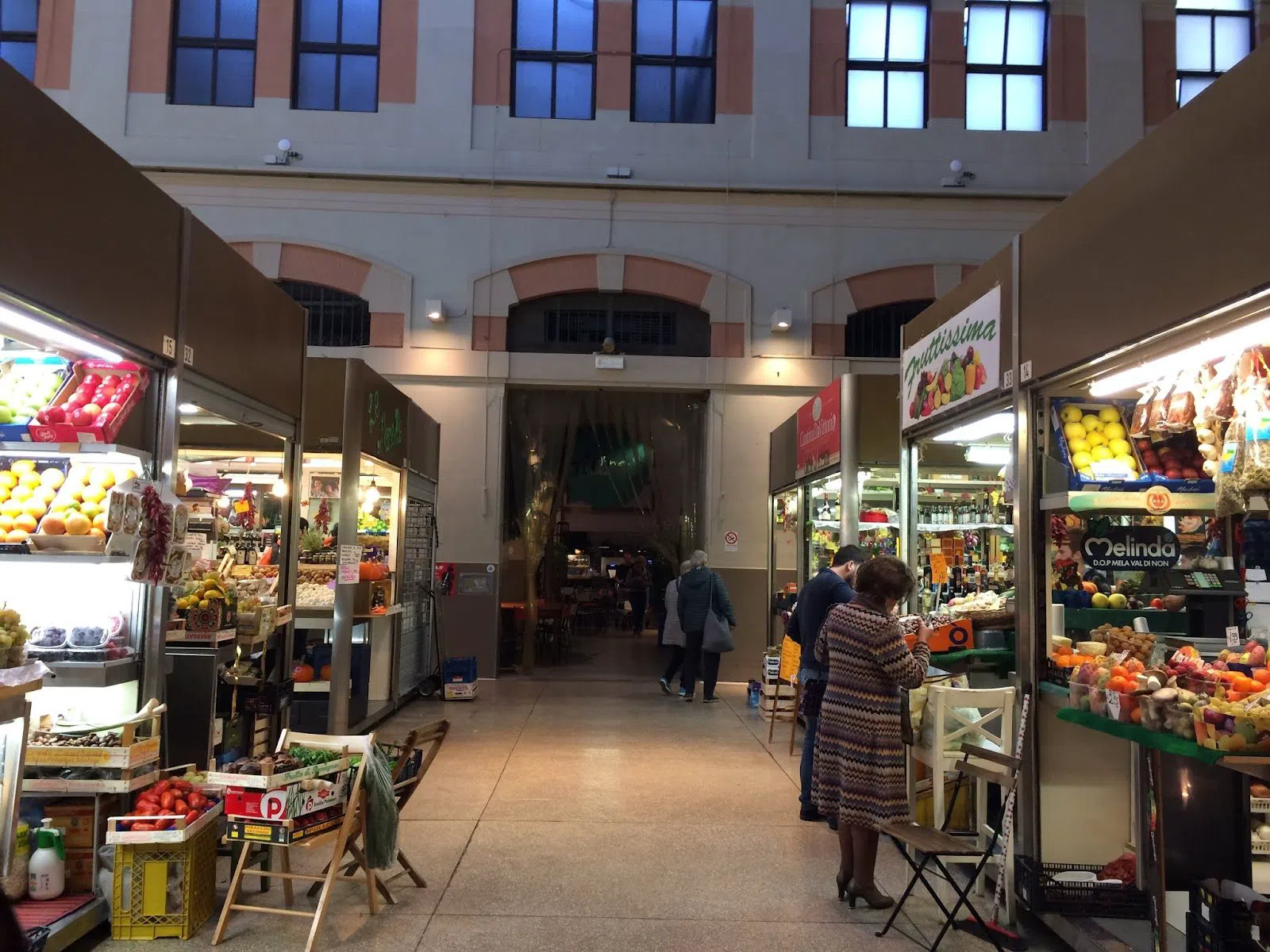
For something roofed and flexible, two market halls do the heavy lifting. Mercato delle Erbe (central, on Via Ugo Bassi) is a real working market that flips after dark into a lively food-and-aperitivo hall — sprawling, casual, communal counters, small plates and stalls at €5–12. It is best in the evening and forgiving of a group that wants to graze, split up, and regroup. And Mercato di Mezzo (Quadrilatero, on Via Clavature), Bologna's oldest market turned multi-vendor food hall, is the reliable fallback: open daily 8:30 to midnight, no booking, everyone chooses their own counter, dishes €6–14. When your party cannot agree on a restaurant, this is the peace treaty.
When you need a proper table for a crowd
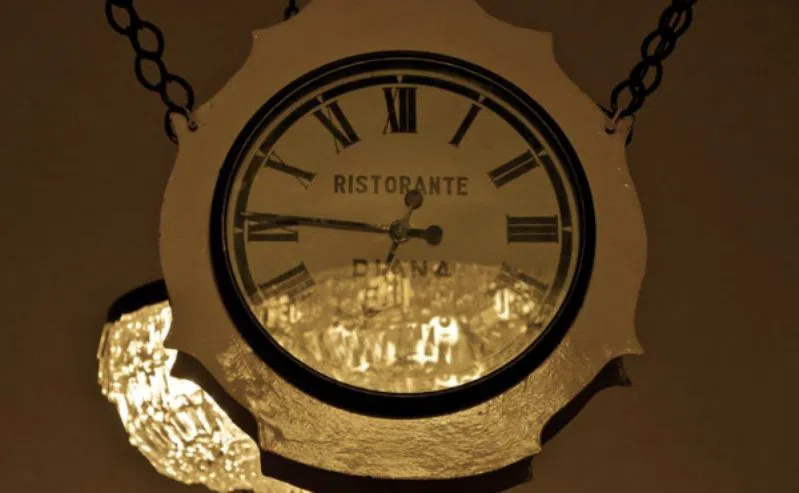
Most of Bologna's great trattorie are small, and a party of eight or ten will struggle. The honourable exception is Ristorante Diana (on Via dell'Indipendenza, the city's main artery), a 1909 grande dame with a large formal dining room built for occasions. It is famous for tortellini in brodo and for the bollito misto — mixed boiled meats carved tableside from the trolley — and the room genuinely suits bigger groups and celebrations. Reservations are recommended; it is a €€€ address (mains €18–26). Be clear-eyed, though: some 2026 reviews flag prices creeping up and service that can wobble on a busy night. Go for the atmosphere and the ceremony of the trolley, manage expectations on the rest, and it earns its place.
Gelato, the honest kind
Bologna takes gelato as seriously as it takes pasta, and the good rule is: short ingredient lists, dense texture, no mountainous neon swirls.
Cremeria Funivia (near San Domenico, off Piazza Roosevelt) is the local's pick — thick, traditional gelato, and a signature cone with a chocolate surprise hidden at the base. It's a takeaway counter, fine for a group grabbing cones on the move, cheap at €2.50–4. One firm warning: it is closed Mondays, so don't build a Monday-evening pilgrimage around it.
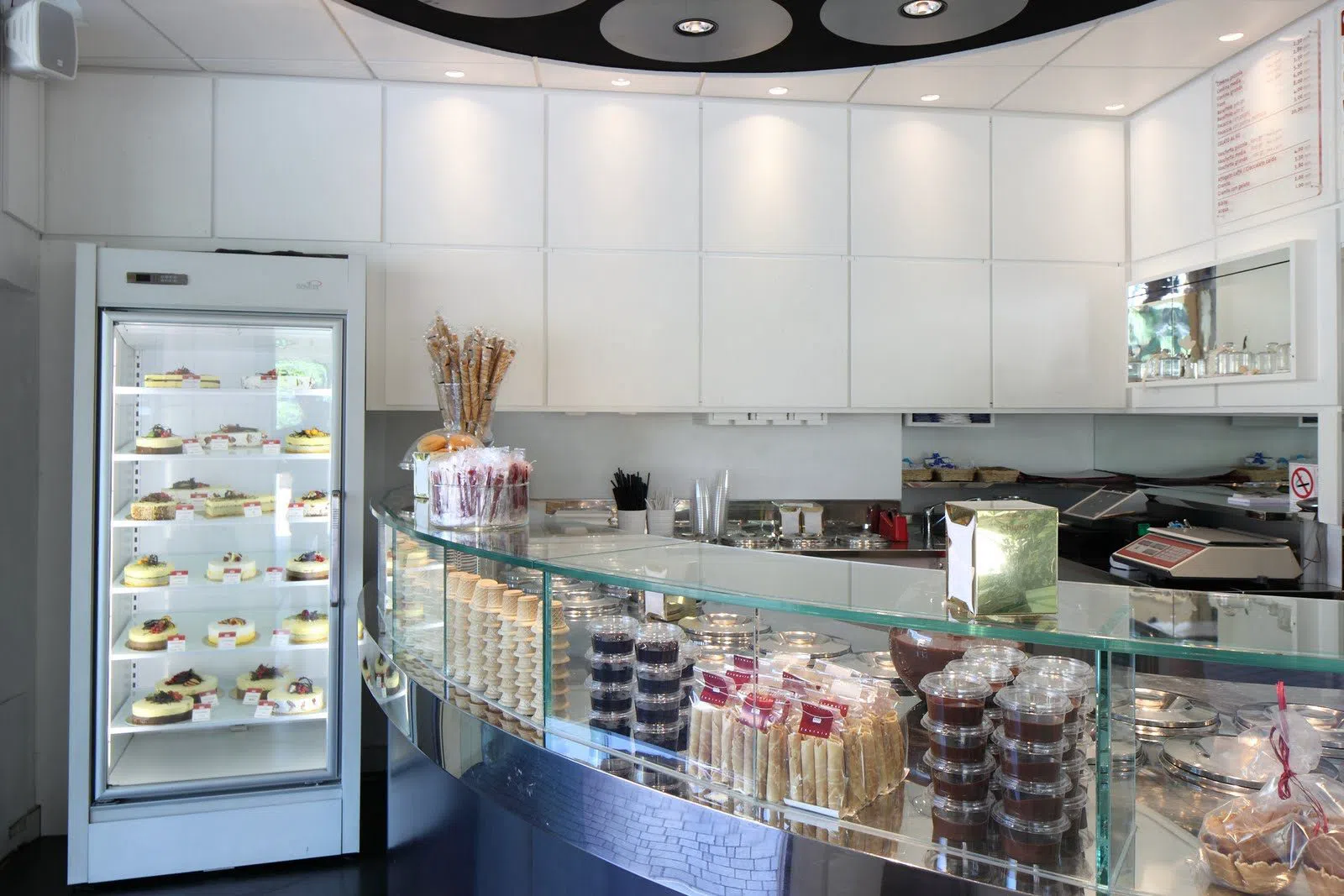
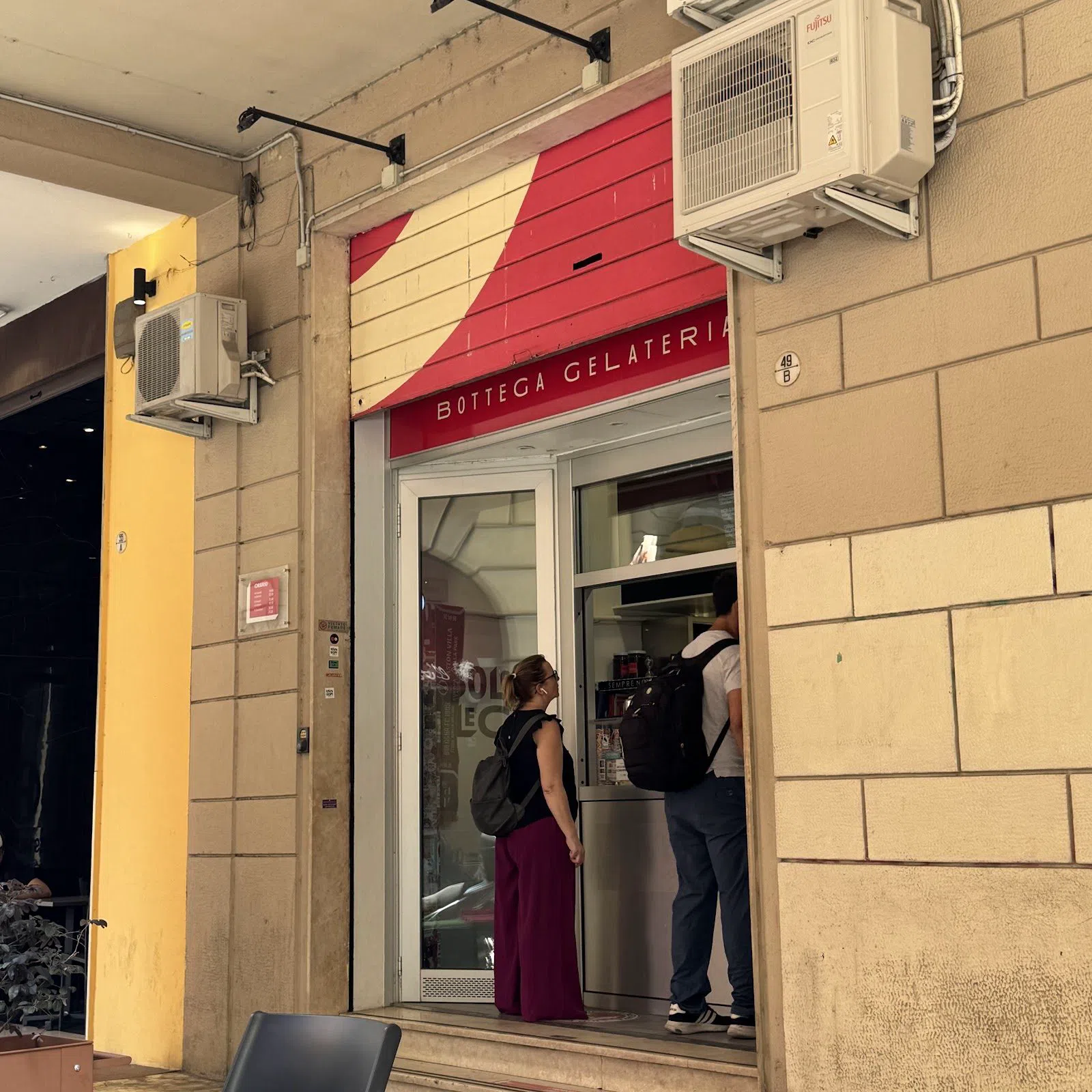
Gelateria Galliera 49 (on Via Galliera, north of Piazza Maggiore) makes small-batch gelato from fresh milk and fair-trade sugar, plus bright Sicilian granite in summer. It is takeaway only and there is nearly always a line, so a group should factor in a wait. Cones and cups run €2.50–4. Both are cheap pleasures; neither is a place to sit, so time them between other stops.
Getting your bearings first
If your group is new to the city and wants a running start, Taste Bologna runs the Quadrilatero Food Walking Tour (meeting in the market district). It is purpose-built for small groups — capped around fifteen — and makes a good ice-breaker on your first morning, a local-run introduction to the market and its staples over roughly two hours, tastings included, at €65–70 per person. Treat it as orientation, not the main event: it teaches you what to order and where the good counters are, and then you spend the rest of the trip eating on your own terms. For couples who'd rather just wander, skip it and start at the markets.
For where to base yourself among all this, and to line up rooms within walking distance of the Quadrilatero, start with a Bologna hotel search; for the wider city beyond the plate — the towers, the porticoes, the day trips — see the full Bologna guide.
The practical bit
Getting around. Bologna is small, flat and walkable — the historic centre is essentially one long portico, and you can cross it end to end in twenty-five minutes, dry even in the rain. You will not need public transport for the venues here; everything sits within the ring. The airport (Marconi) connects to the central station in about fifteen minutes on the Marconi Express shuttle, and the station itself puts you two high-speed hours from most of northern Italy.
Cash. Cards are widely accepted in the sit-down restaurants, but carry euros in cash for the markets, the deli counters, the gelaterie and above all for Osteria del Sole, where wine and the BYO ritual run on small notes and coins. A small cash float saves you at exactly the moments you'll enjoy most.
Timing and closing days. Bolognesi eat lunch around 12:30–2 and dinner from 8; the good trattorie fill fast, so book ahead for anything with a reservation and arrive early for anything without one — Osteria dell'Orsa by 7pm, Sfoglia Rina expecting a queue. Watch the closures: Cremeria Funivia is dark on Mondays, and many family trattorie shut Sunday evening and one weekday. Mercato di Mezzo (daily, 8:30–midnight) is your all-hours safety net.
Budget. You can eat gloriously here across every tier. A student-priced day of tagliatelle at Osteria dell'Orsa, a shared board at Simoni and a cone runs well under €30 a head; a serious pilgrimage — Via Serra or Bottega for the ragù, Diana for the ceremony — climbs to €50–70 with wine. The market-and-tavern route through the Quadrilatero, salumi in hand at Osteria del Sole, is both the cheapest and, quietly, the most Bolognese evening of all. Come hungry, book the small rooms early, and let the city do what it has always done best.
Before you go
Is there really no spaghetti bolognese in Bologna?
Correct — the dish doesn't exist here. Bologna's ragù is served with hand-cut tagliatelle or layered into lasagne verdi, never spaghetti. Order tagliatelle al ragù and you'll be eating it the way the city intends.
Do I need to book restaurants in Bologna in advance?
For the small, celebrated rooms, yes. Trattoria di Via Serra books out roughly a month ahead, and All'Osteria Bottega and Trattoria Da Me need days' notice. The no-reservation spots (Osteria dell'Orsa, Sfoglia Rina, the markets) instead reward turning up early to beat the queue.
Where can I eat well in Bologna on a tight budget?
Osteria dell'Orsa serves tagliatelle al ragù for about €8–10, the market halls (Mercato di Mezzo and Mercato delle Erbe) have plates from €5–14, and Osteria del Sole charges only €2–4 a glass of wine if you bring your own food from the surrounding stalls.
Which Bologna restaurants actually suit a big group?
Most classic trattorie are tiny. For a real group table, Ristorante Diana has a large formal room built for occasions, Trattoria Anna Maria is roomy and group-friendly, and the communal setups at Osteria del Sole, Osteria dell'Orsa and the market halls handle informal crowds well.
What foods should I make sure to try in Bologna?
Tagliatelle al ragù, tortellini in brodo, lasagne verdi, and real mortadella and culatello from a salumeria like Simoni, plus warm tigelle or crescentine. Finish with traditional gelato at Cremeria Funivia (closed Mondays) or Galliera 49.