The Bologna issue
Parmesan, Prosciutto, and Gold: A Day in Bologna's Food Valley
The porticoes get the postcards, but the real Bologna is out on the plain — where Parmigiano is formed at dawn, balsamic ages for a quarter-century in attic barrels, and the ragù is finally worth the drive.
By Matteo VaccariRagù cooked properly, and where to find it
The Food Valley starts about twenty minutes past the last of Bologna's porticoes, where the plain flattens and la nebbia hangs low over fields that have been feeding this city since before it had a name. This is not country that trades on prettiness; it trades on provenance — on the DOP stamp, on the man who can tell you which herd, which oak barrel, which autumn. Give it one full day, a hire car and an empty boot, and it will ruin supermarket cheese for you forever.
What follows is a route you can actually drive in a day, ordered the way the food itself wants to be tasted: cheese at first light, then vinegar, wine and ham through the afternoon, and — if you have the appetite — a pasta lesson back in the city. A word before you set off: almost nothing here is a drop-in. These are working producers, not attractions, and the good ones will turn you away at the door without a booking. Reserve everything the week before, and read the honest notes below on which places suit a couple and which can swallow a coachload.
Start at dawn: the Parmigiano dairies
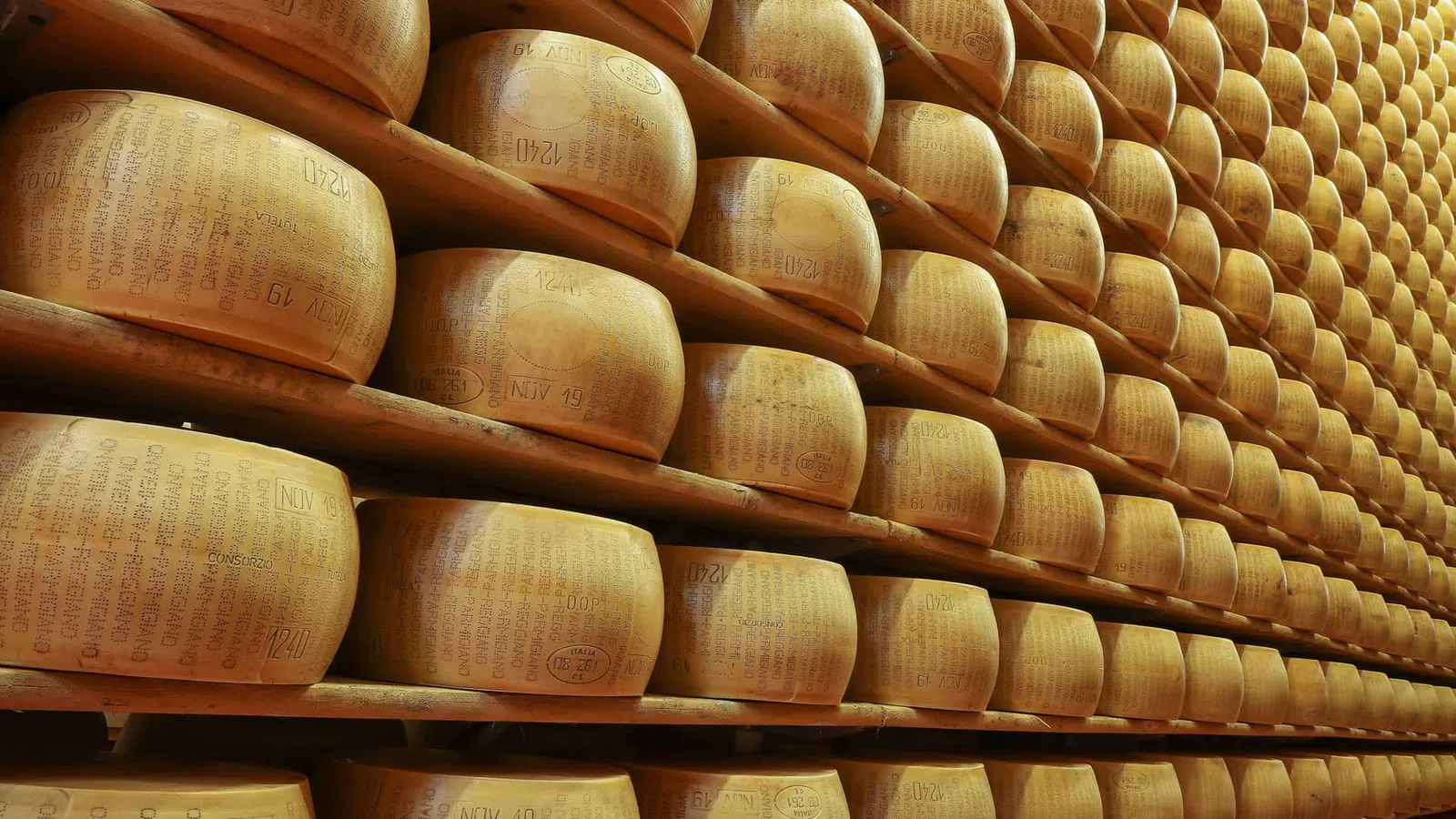
There is only one truthful hour to watch Parmigiano Reggiano made, and it is eight in the morning, because that is when it is actually made. Turn up at midday and you get a shop and a story. Turn up early and you get the real thing: the copper vats, the curd lifted in muslin, the great sixty-plus-kilo wheels being cut and pressed while the whey steams off the floor.
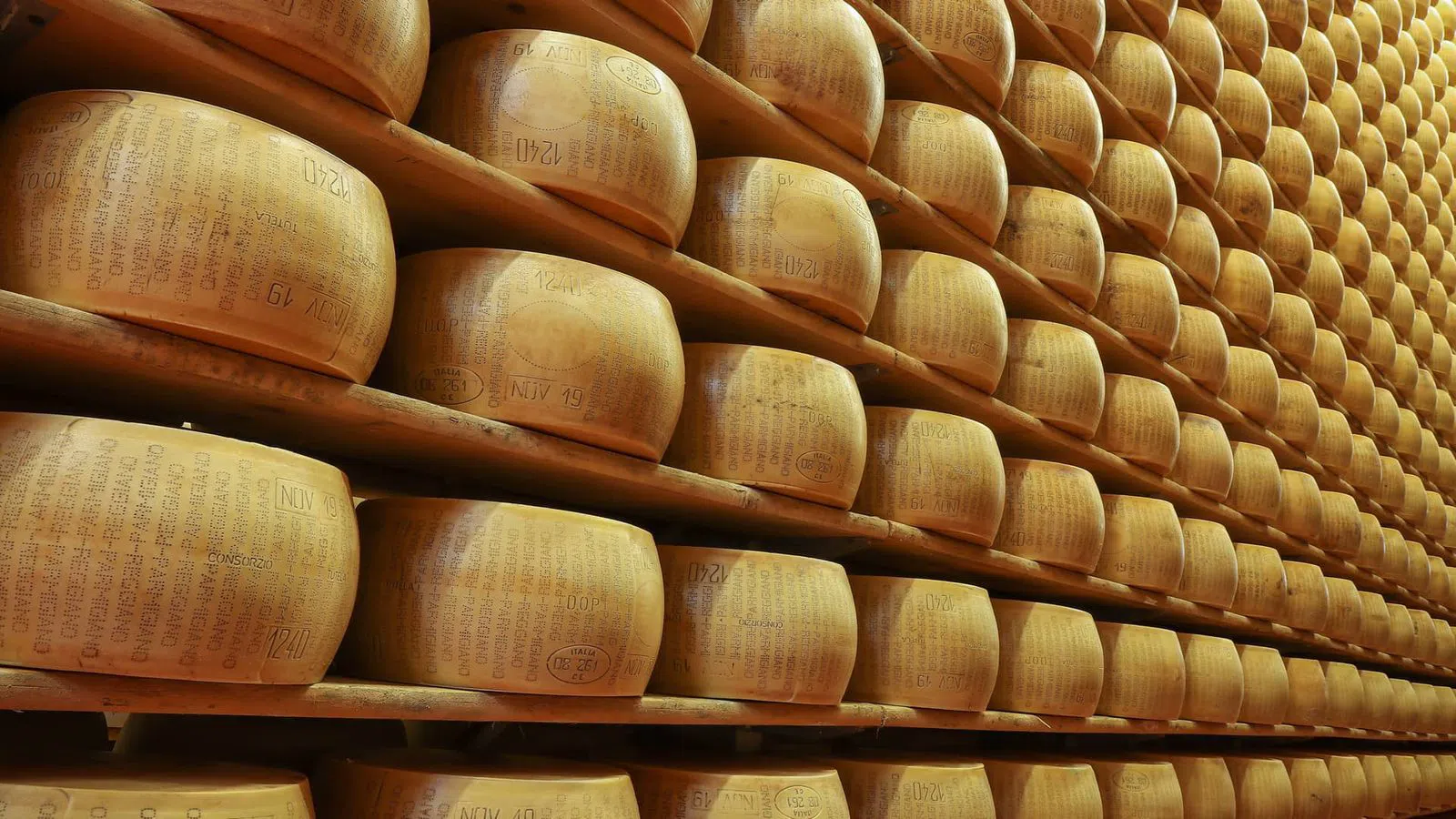
4 Madonne Caseificio dell'Emilia (out on the flat farmland of the Emilian plain) is the definitive version of this morning. It is a genuine working cooperative, not a demonstration set up for visitors, and the guided tours — Italian and English, small groups, by reservation only — are timed to the cheese-making itself, so book the early cheese-making slot or you will have driven out for nothing. Reckon on roughly £15–25 per person for the tour and tasting, and leave room in the boot: the factory shop sells wheels straight off the racks, aged 12, 24 and 30 months, at prices that will make you resent every deli back home. It suits everyone — families, couples, a car of four friends — precisely because it is unvarnished.
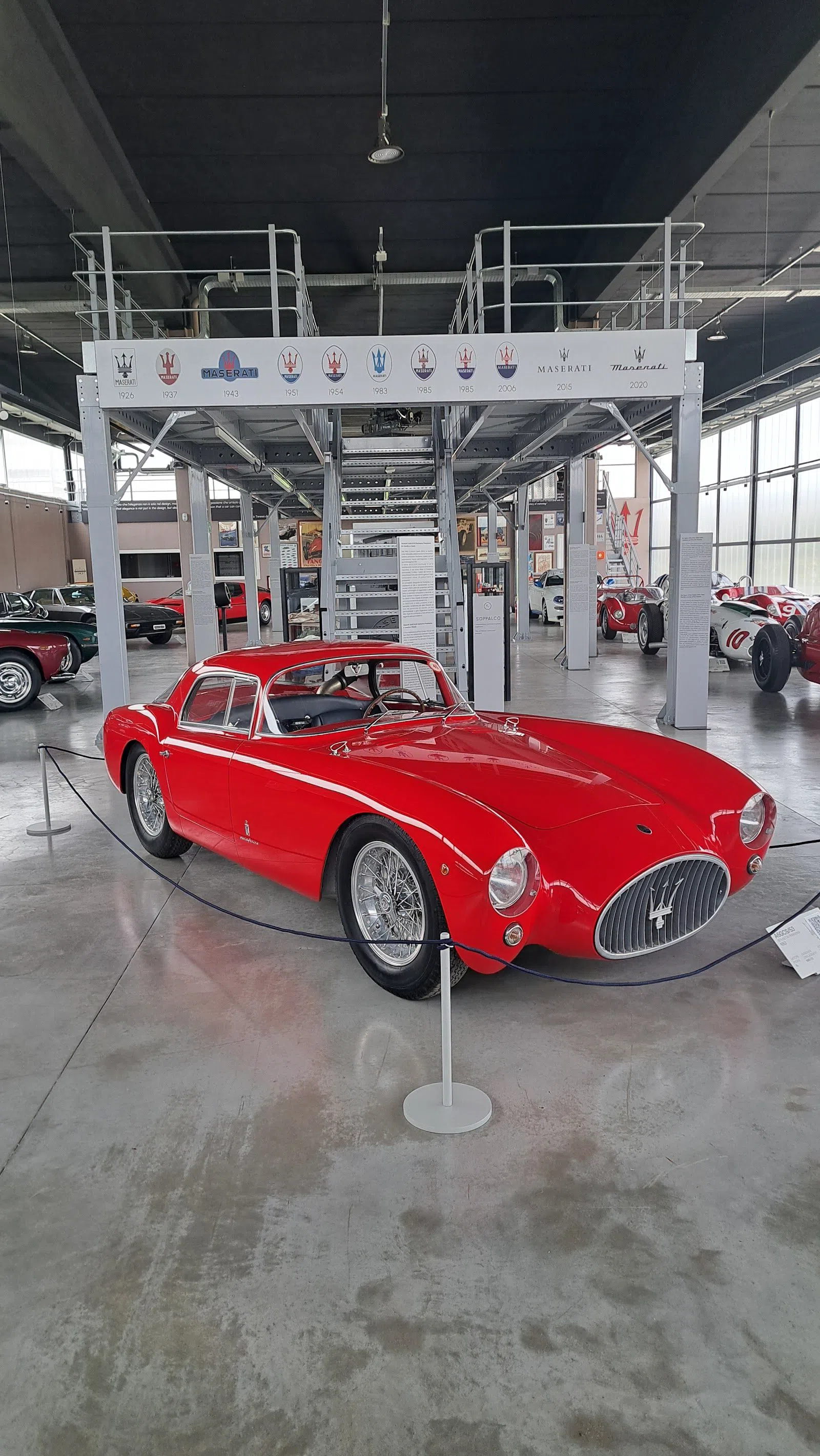
If your group is mixed — and by that I mean not everyone in the car is there purely for cheese — point the satnav instead, or as well, at Hombre (a working organic farm in the open countryside). This is Parmigiano Reggiano biologico, 100% organic, from the Panini family's own herd, and the dairy visit is a bargain at around £5 per person by appointment. The masterstroke is the Umberto Panini Motor Museum on the same estate — one of Italy's great private collections of cars and motorcycles, free to enter — so the cheese-agnostic half of your party has somewhere to be genuinely happy. Book ahead, especially for groups; this is a farm, not a turnstile operation.
Plan your Bologna trip
Live prices from our booking partners.
Free cancellation on many rooms. We may earn a commission when you book.
Black gold: the balsamic attics
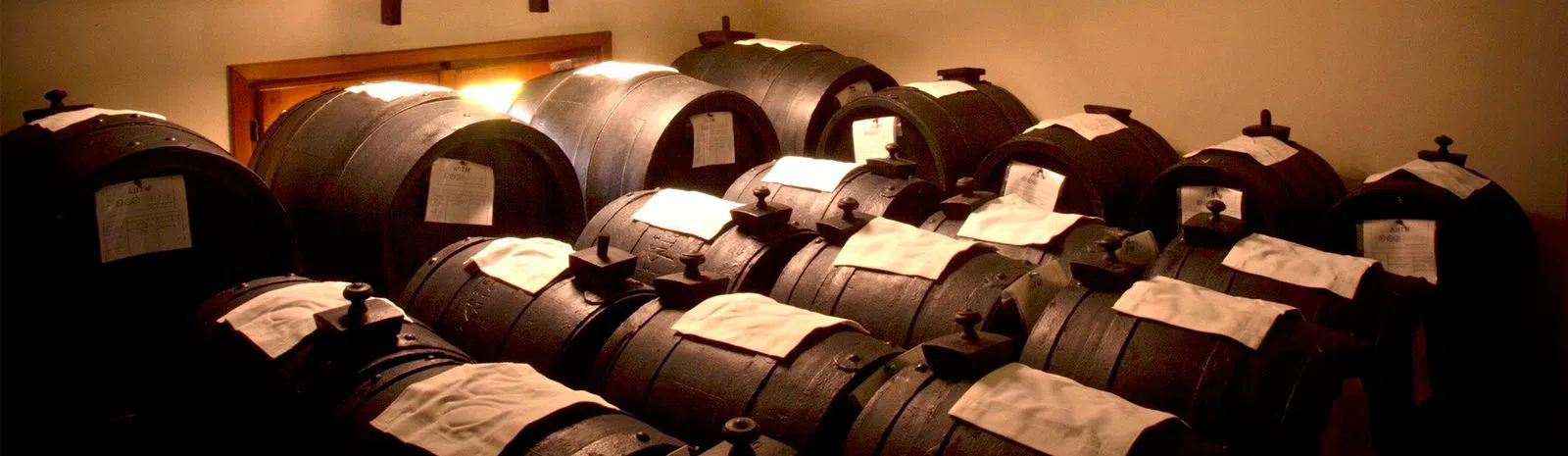
Forget whatever you have been drizzling from a supermarket bottle. Real aceto balsamico tradizionale is a DOP-protected, cask-aged marvel — cooked grape must racked through a battery of ever-smaller barrels for twelve, eighteen, twenty-five years, until a single drop is thick, dark and sweet-sour enough to finish a plate of Parmigiano or a scoop of vanilla gelato. It is made in attics, not cellars, because it wants the swing of summer heat and winter cold. Three acetaie let you see it done, and they suit three different kinds of visitor.
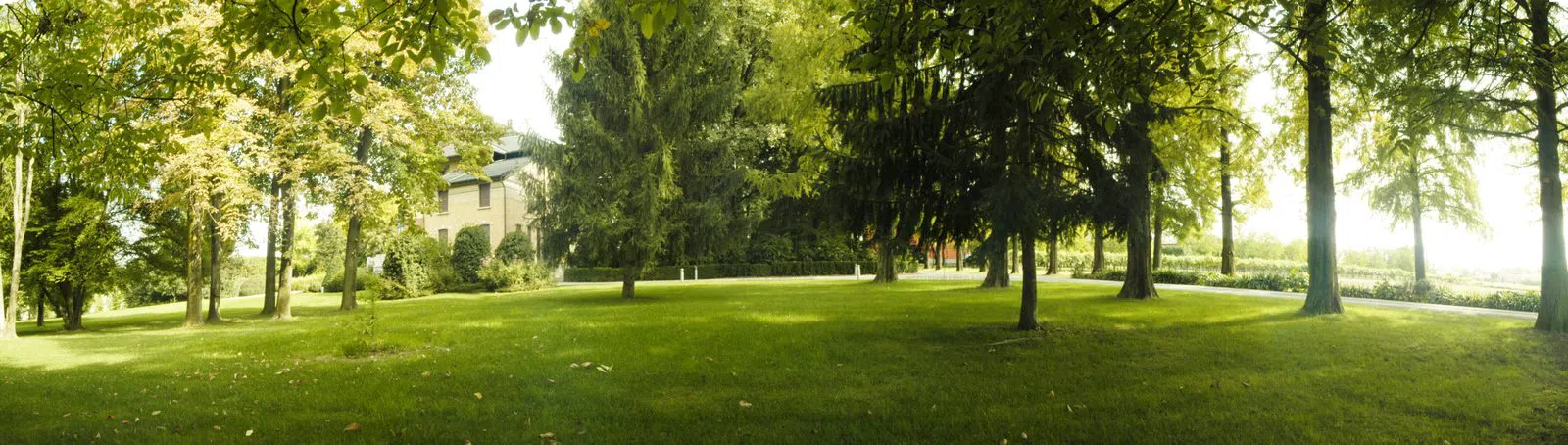
Acetaia Villa San Donnino (a listed Belle Époque villa set in its own grounds) is the prettiest story of the lot and, remarkably, the tour is free of charge — you pay only around £9 (€10) for the tasting of five products at the end. The guided visits run by reservation in Italian, English and French, and the acetaia can take groups of up to sixty, which makes it the rare place that handles a coach without losing its soul. If you have to choose only one balsamic stop and you care about atmosphere, make it this genuine family attic.
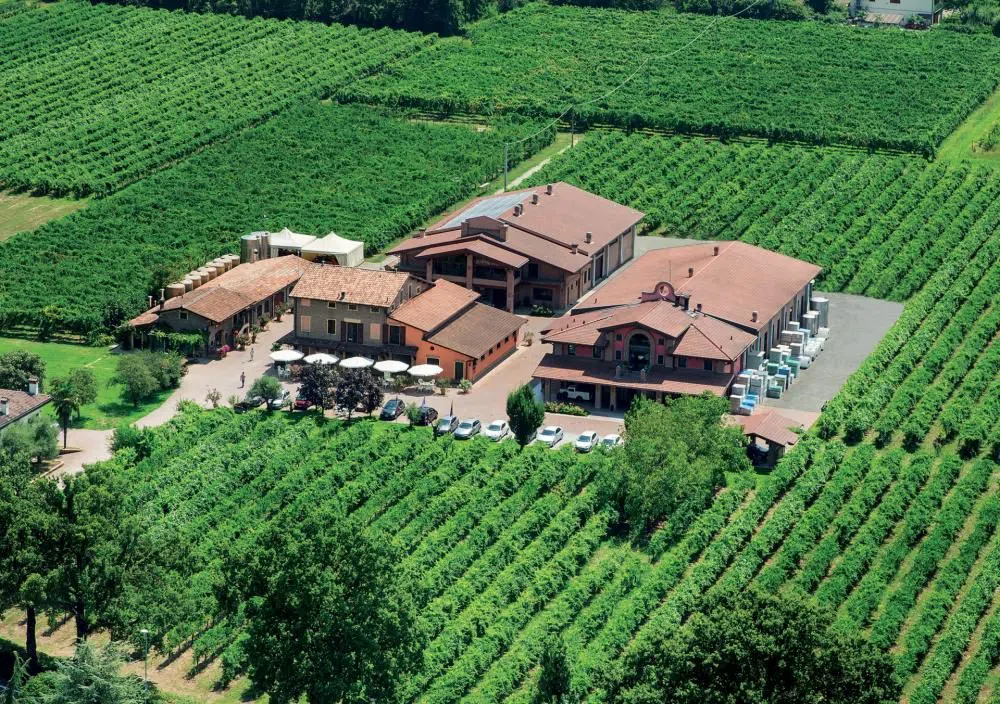
When you need reliability over romance, Acetaia Leonardi (in the low farmland off the Via Emilia) is open seven days a week, 9am–6pm, tours by reservation only. It is big, polished and group-friendly, with tiers that climb from a free basic tour up to around £25 per person for the reserve tastings — including barrels pushing a hundred years old. This is the easiest balsamic visit to slot into a tight itinerary, particularly if you are travelling on a Sunday when half the valley is shut.
For the self-drive group that wants the least friction of all, Acetaia Malpighi Taste&Tour Museum (just off the motorway) has been producing since 1850 and doubles as a designated corporate-heritage museum. The guided tour and tasting are free by reservation, and — unusually — it opens every day of the year and welcomes both small parties and large. It is not the prettiest, but if your day is running late and you need one dependable, low-effort balsamic stop between other things, this is it.
Lambrusco, taken seriously
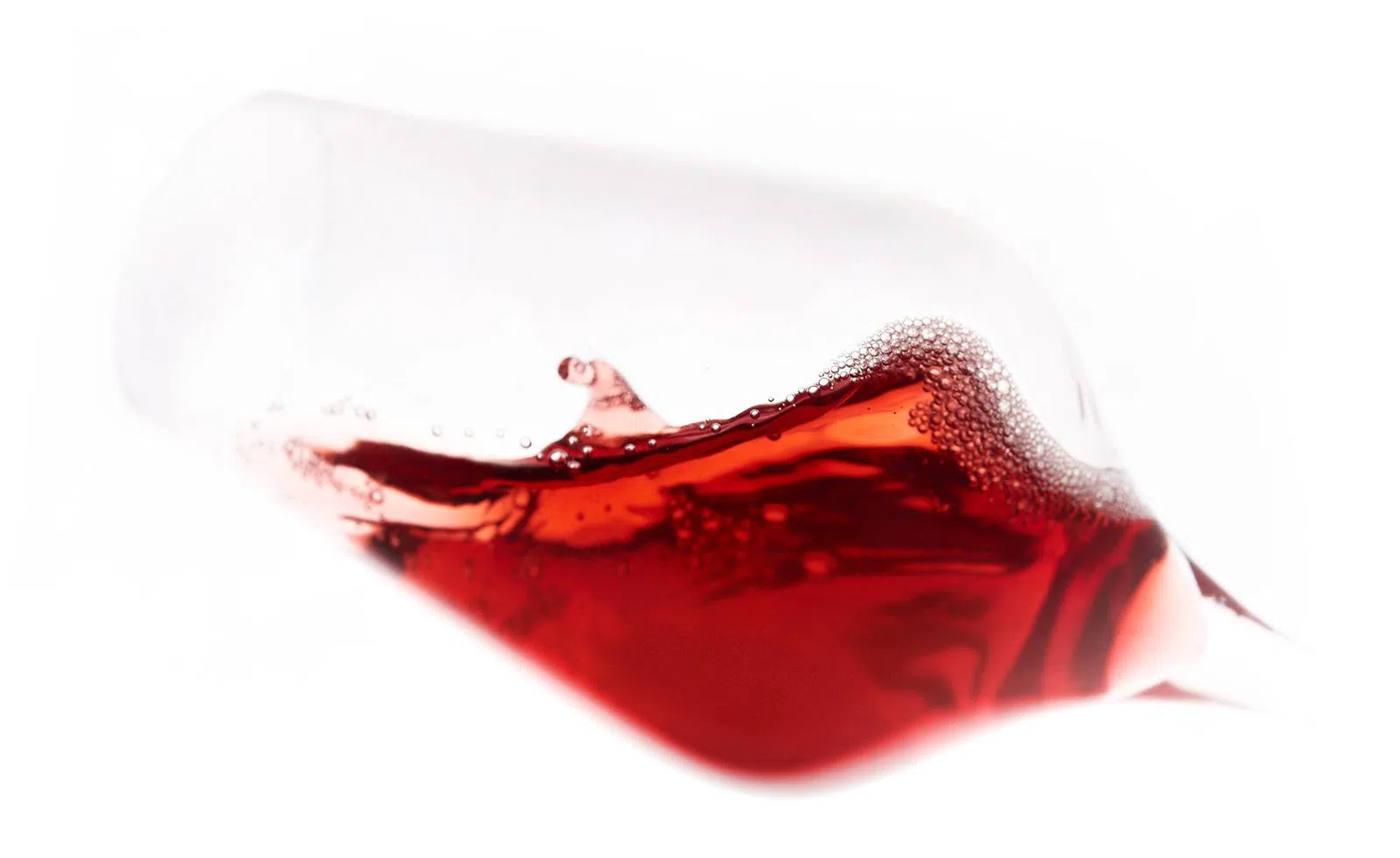
Here is where I ask you to unlearn something. Lambrusco's reputation in Britain was built on sweet fizz from the 1980s, and it is a slander. The best of it now is bone-dry, structured and made by the same metodo classico as proper Champagne, and it is the natural partner to everything fatty and salty this region does — the mortadella, the gnocco fritto, the ragù.
Cantina della Volta (in the vineyard country north of the city) is the winery that will change your mind. The Bellei family make serious traditional-method sparkling Lambrusco, and the visit — by reservation only — runs a roughly thirty-minute production tour before a tasting across three shades of the wine with local snacks, at around £18–30 per person. This is a grown-up, considered stop, ideal for a couple or a pair of friends who think they don't like Lambrusco and are about to be proven wrong.
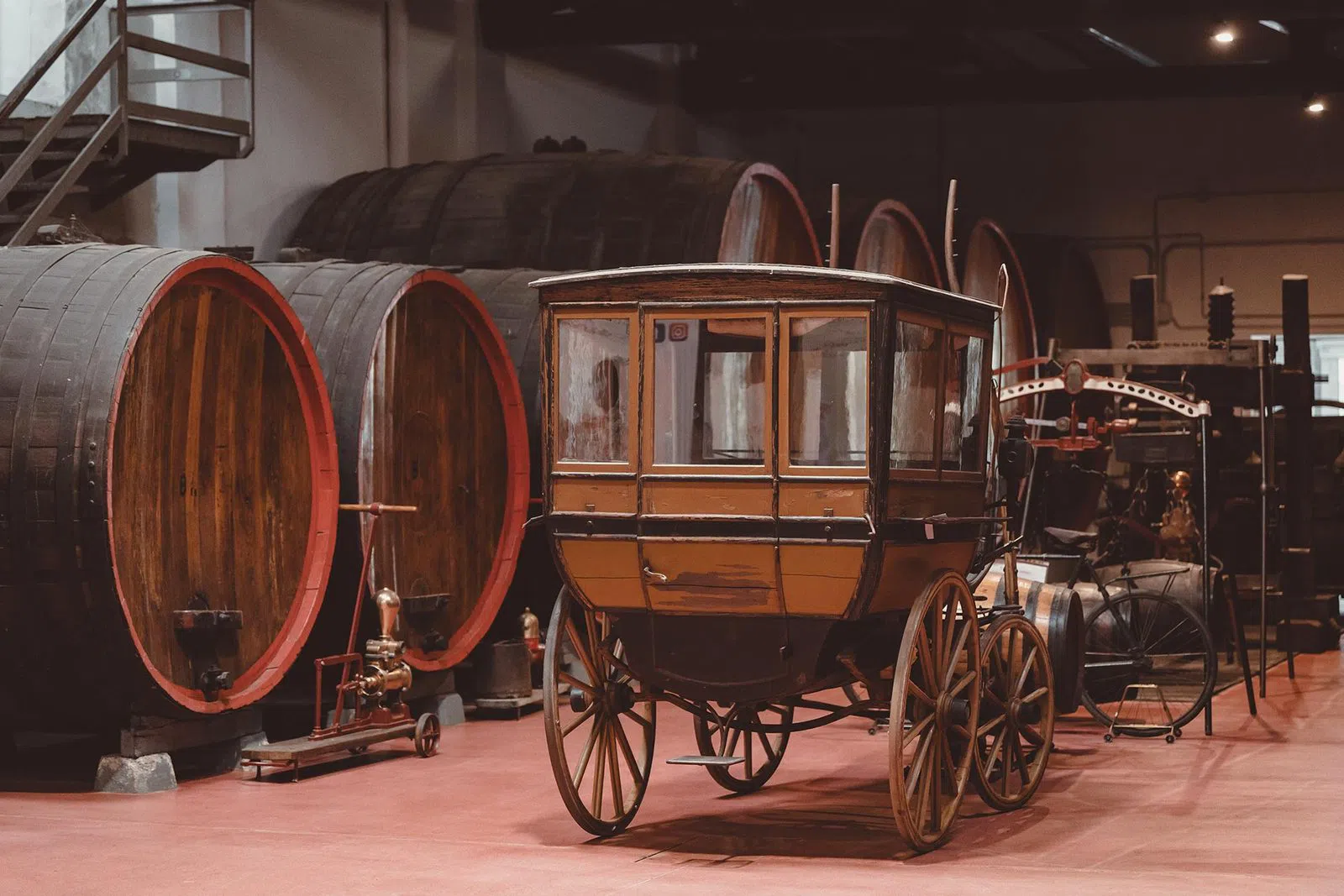
For a lighter, more sociable afternoon, Giacobazzi Vini — Cantina e Museo (out among the vines) pairs a genuine cellar visit with a sommelier and a distinctly quirky wine museum. It is well-reviewed, approachable and books ahead with free cancellation on the usual platforms, at about £30 per person for the cellar tour and tasting. If your group wants a proper sit-down tasting without anyone being made to feel they should already know the vintages, send them here rather than to the more connoisseurly cellar.
The ham houses
The cured ham of these hills — Prosciutto di Parma — is a DOP product made from nothing but pork leg, salt, air and patience, hung to cure for months in rooms where the windows are opened and closed to the wind. Two very different visits let you meet it.
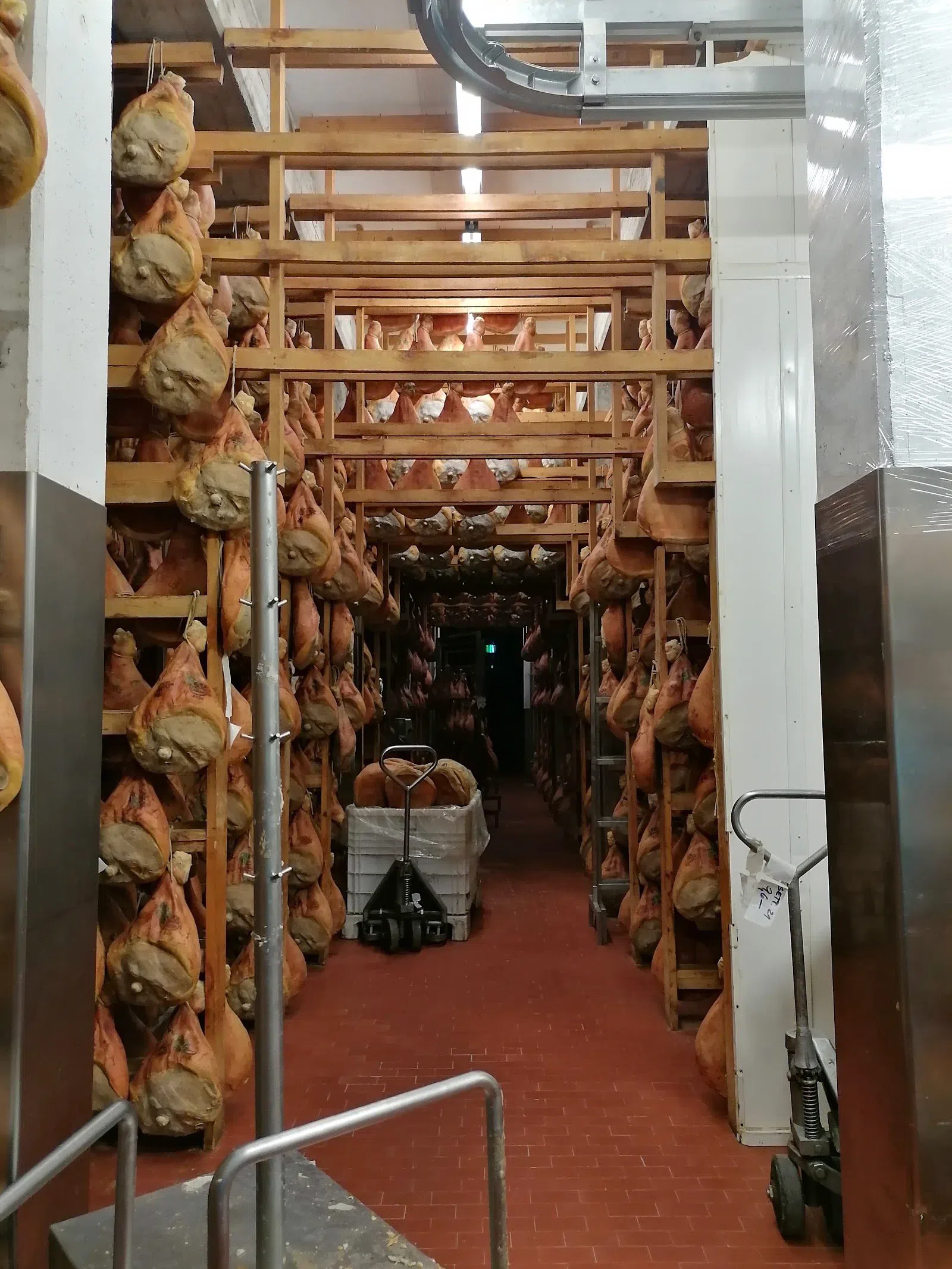
Salumificio Conti (up in the Apennine foothills, where the curing air is right) is the real behind-the-scenes article: a genuine working DOP ham house that actually opens its curing rooms rather than fobbing you off with a museum. It runs its own booked producer tours at roughly £12–25 per person including the tasting, but be straight with yourself about the logistics — you need a car to reach it, advance booking is essential, and the staff are Italian-first, so a translation app in your pocket helps. For a serious food traveller, the honesty of the place is exactly the point.
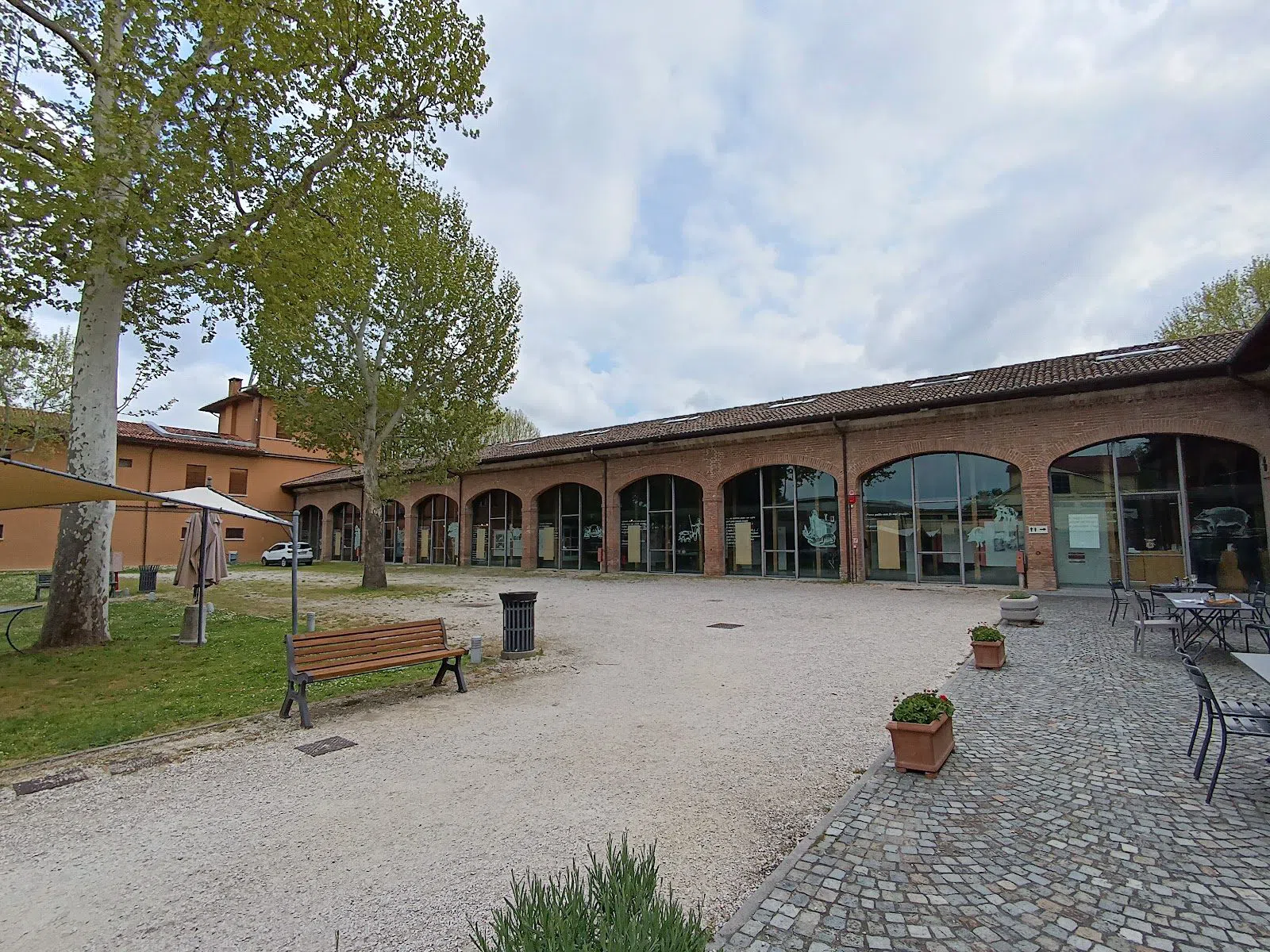
When a working producer can't take you — and they often can't, at weekends especially — the Museo del Prosciutto di Parma (in the ham-curing hill town south-west of the city) is the reliable fallback. Part of the excellent Musei del Cibo network, it opens weekends and holidays 10am–6pm from February to December, with weekdays by reservation for groups, free guided tours at 11:00 and 16:00, and — crucially — an on-site restaurant for an à la carte tasting. Entry is around £5, a guided tour about £25 per person. It is a museum, not a curing room, but it is dependable, group-bookable and comes with lunch attached, which counts for a great deal on a busy day.
Back in the city: a showcase and a school
Two stops sit inside Bologna itself, for the bookends of your trip.
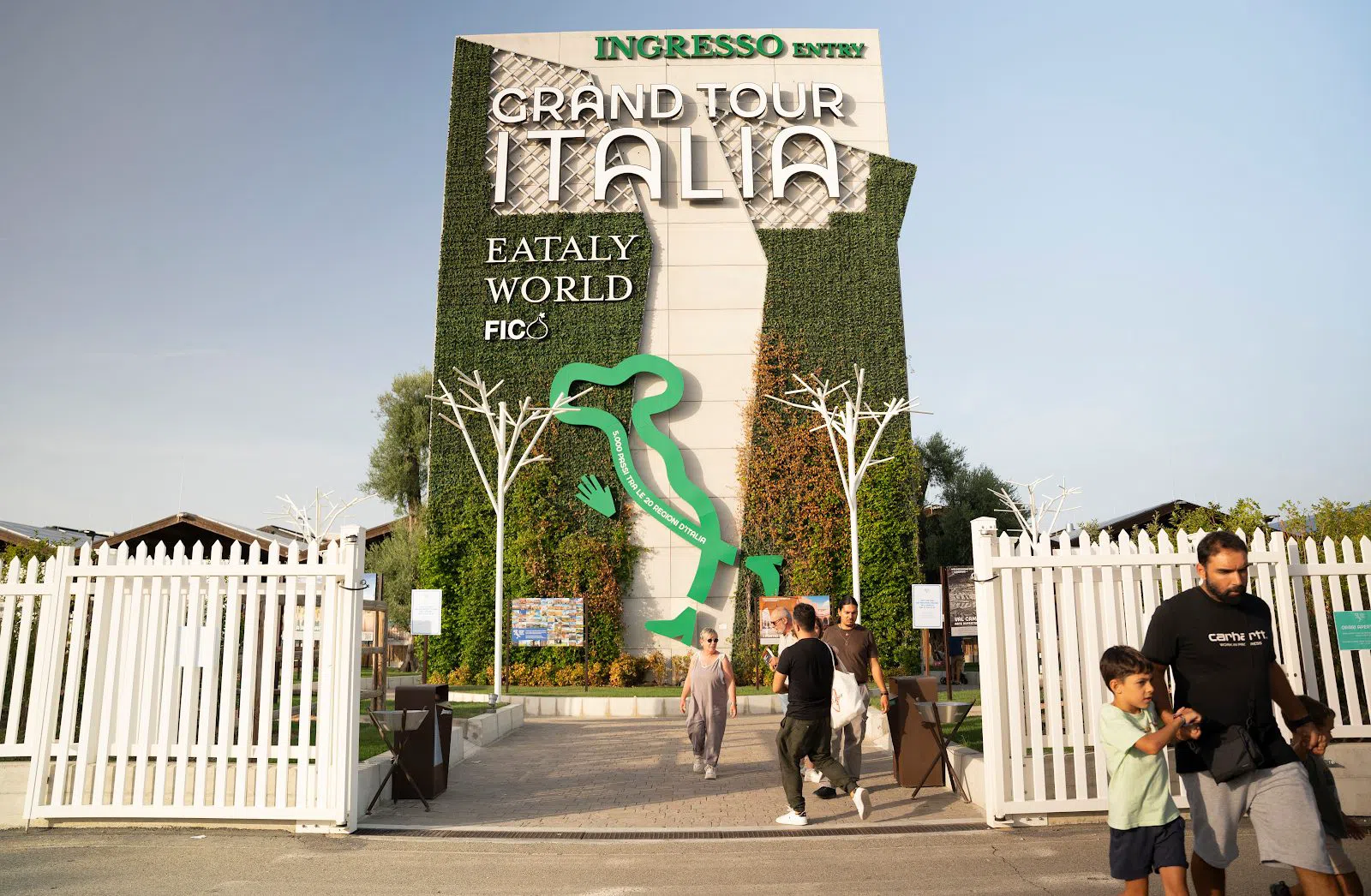
If the forecast is filthy, or your group spans three generations and a range of enthusiasms, Grand Tour Italia (on the eastern edge of the city) earns its place. Rebranded from FICO Eataly World in 2024 and still evolving through 2026, it is a vast, weatherproof, free-to-enter food park — free parking too — where you pay only for what you eat, taste or make, roughly £10–30 a head. Be clear-eyed about what it is: not a real producer in the countryside but a curated showcase of Italy's food regions under one roof. As a wet-day insurance policy or a gentle introduction for a mixed-age party, though, it does the job with no booking and no stress.
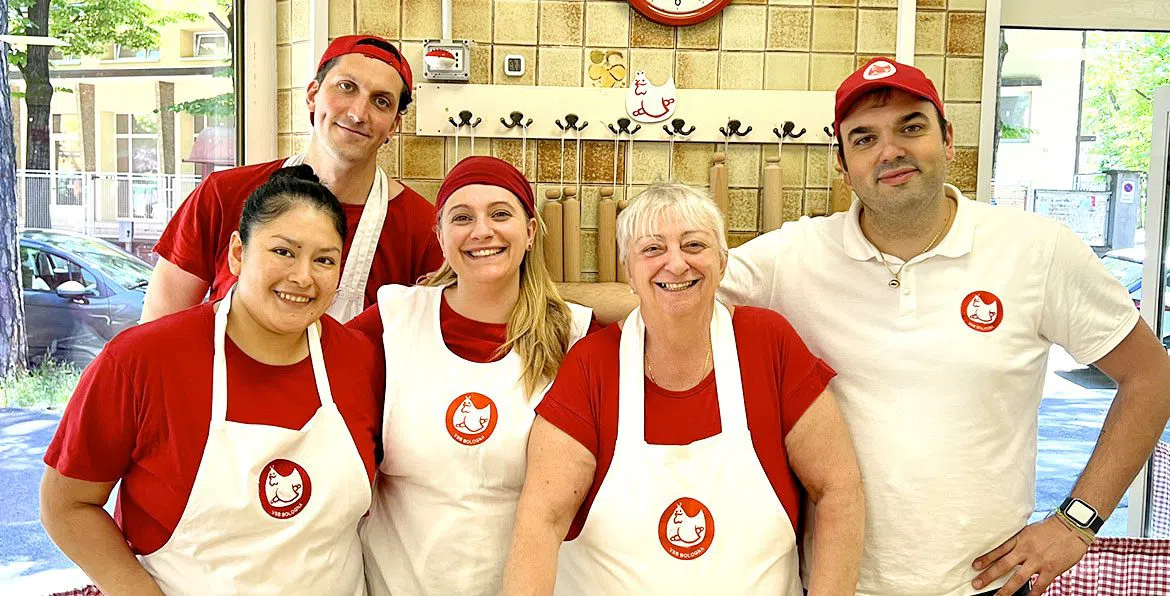
And if you want to make something rather than only watch, end — or begin — with La Vecchia Scuola Bolognese (in the city itself). Founded in 1993, this is Bologna's most famous sfoglia school, and the classes are properly hands-on: you roll the yellow dough by hand and learn to close real tortellini and cut true tagliatelle, rather than standing back for a demonstration. It runs amateur and group classes, book ahead, at around £55–110 per person. It suits couples and small groups who want a skill to take home — and it is the one place on this whole route where you will finally understand why a Bolognese refuses to praise a lazy, jarred ragù. Do the lesson and you'll never again call flat sauce over dried spaghetti the real thing.
For where to base yourself between all this driving, start with a Bologna hotel search, and read our full Bologna guide for the city itself — the porticoes, the markets of the Quadrilatero, and where to eat tortelloni once the sun goes down.
The practical bit
Transport. A hire car is not optional. These producers are scattered across the plain and up into the foothills, most are a poor fit for public transport, and Salumificio Conti in particular simply cannot be reached without wheels. Pick up the car the evening before so you can be at the dairy by 8am.
Cash and cards. Card is widely accepted at the polished, museum-style stops, but bring a decent float of euros in cash anyway — small producers and factory shops often prefer it, and you will be buying cheese, vinegar and ham at the door. Nothing stings like standing in a farm shop with a boot to fill and a card the machine won't read.
Timing and closing days. Cheese in the morning, always — the production stops by mid-morning. Then work through balsamic, wine and ham across the afternoon. Sundays and Mondays are the danger zone: Acetaia Leonardi (seven days) and Acetaia Malpighi (every day) are your reliable weekend anchors, while working producers frequently close. Book every single visit in advance; almost none take walk-ins, and the good early slots go first.
Budget. A realistic day of two or three visits with tastings runs roughly £40–90 per person before you buy anything to take home — and you will buy plenty. Set aside another £30–60 for the boot: a wheel wedge of 24-month Parmigiano, a small bottle of tradizionale balsamic, a vacuum-packed ham. It travels home fine, and it is the best souvenir money can buy.
Before you go
Do I need a car to visit Bologna's Food Valley?
Yes. The dairies, acetaie, wineries and ham houses are spread across the plain and into the foothills, most are poorly served by public transport, and producers like Salumificio Conti can't be reached without one. Hire a car the evening before so you can be at a dairy by 8am.
What time should I visit a Parmigiano Reggiano dairy?
First thing — around 8am. Cheese is actually made in the early morning, so booking the early cheese-making slot (as at 4 Madonne) means you watch the wheels being formed. Arrive later and you'll only get the shop and a talk, not the production itself.
Is real balsamic vinegar worth the money?
For the DOP tradizionale, yes. It's cooked grape must aged in attic barrels for 12 to 25 years until a single drop finishes cheese, meat or even ice cream. Tours are often free or around £9–25; a small bottle is a splurge, but nothing from a supermarket comes close.
Can I do this trip on a Sunday?
Partly. Many working producers close at weekends, but Acetaia Leonardi opens seven days and Acetaia Malpighi every day of the year, so build your Sunday around those balsamic stops. For ham, the Museo del Prosciutto di Parma opens weekends with a tasting restaurant when a real producer can't take you.
Which stops suit a group versus a couple?
Groups do well at Acetaia Villa San Donnino (up to 60), Grand Tour Italia (families, wet days) and Giacobazzi's sit-down tasting. Couples get more from Cantina della Volta's serious Lambrusco, the hands-on pasta class at La Vecchia Scuola Bolognese, and the behind-the-scenes curing rooms at Salumificio Conti.