Bologna-nummeret
Where to Roll Tagliatelle by Hand in Bologna
Seven places in and around Bologna teach the sfoglia, and the Quadrilatero counters tell you whether yours came out right.
Av Beatrice HartleyBologna one neighbourhood at a time

Three shapes come off the board in a Bologna pasta class: tagliatelle for ragù, ricotta tortelloni, tortellini in brodo. The kitchen that teaches all three sits on Via Malta and charges €115 per adult, €59 for children aged four to 10, under-fours free. Classes run seven days a week.
What happens in the kitchen
You start with a mound of flour and eggs cracked into the middle of it. The dough is worked, then rolled out with a mattarello, the metre-long tapered Bolognese pin, until the sheet is thin enough to drape over the edge of the table. Tagliatelle is cut from that sheet by hand. Tortelloni and tortellini are filled and crimped over a wooden board one at a time, which is the slow part of any class. You sit down at the end and eat what you made, usually with wine on the table.
That sequence is the same whether you do it in a home kitchen in the centre, in a teaching school, or at a long table on an estate outside the city. What changes is how much technique gets explained, how many people are in the room, and how far you have to travel.
Planlegg reisen til Bologna
Oppdaterte priser fra våre bookingpartnere.
Gratis avbestilling på mange rom. Vi kan motta provisjon når du bestiller.
Taste Bologna on Via Malta
Taste Bologna Cooking Class (Via Malta) works in a small, bright, home-style kitchen with a marble worktop. Three hours covers the three shapes, and the finished plates of tagliatelle al ragù come to a shared table. Numbers are capped at 12. Private classes carry customised menus and dietary swaps on request.

The kitchen is 10 minutes' walk from Piazza Maggiore, which makes it the easiest class to reach on foot from the old centre. Its own site warns that many dates go in advance. Book before you travel.
The bilingual lesson on Via del Pratello
Cultura Italiana (Via del Pratello) runs its Bologna Cucina classes out of a long-standing Italian language school, and the teaching is structured and bilingual. Take this one if you want the technique explained and not just the photograph of your hands in flour.
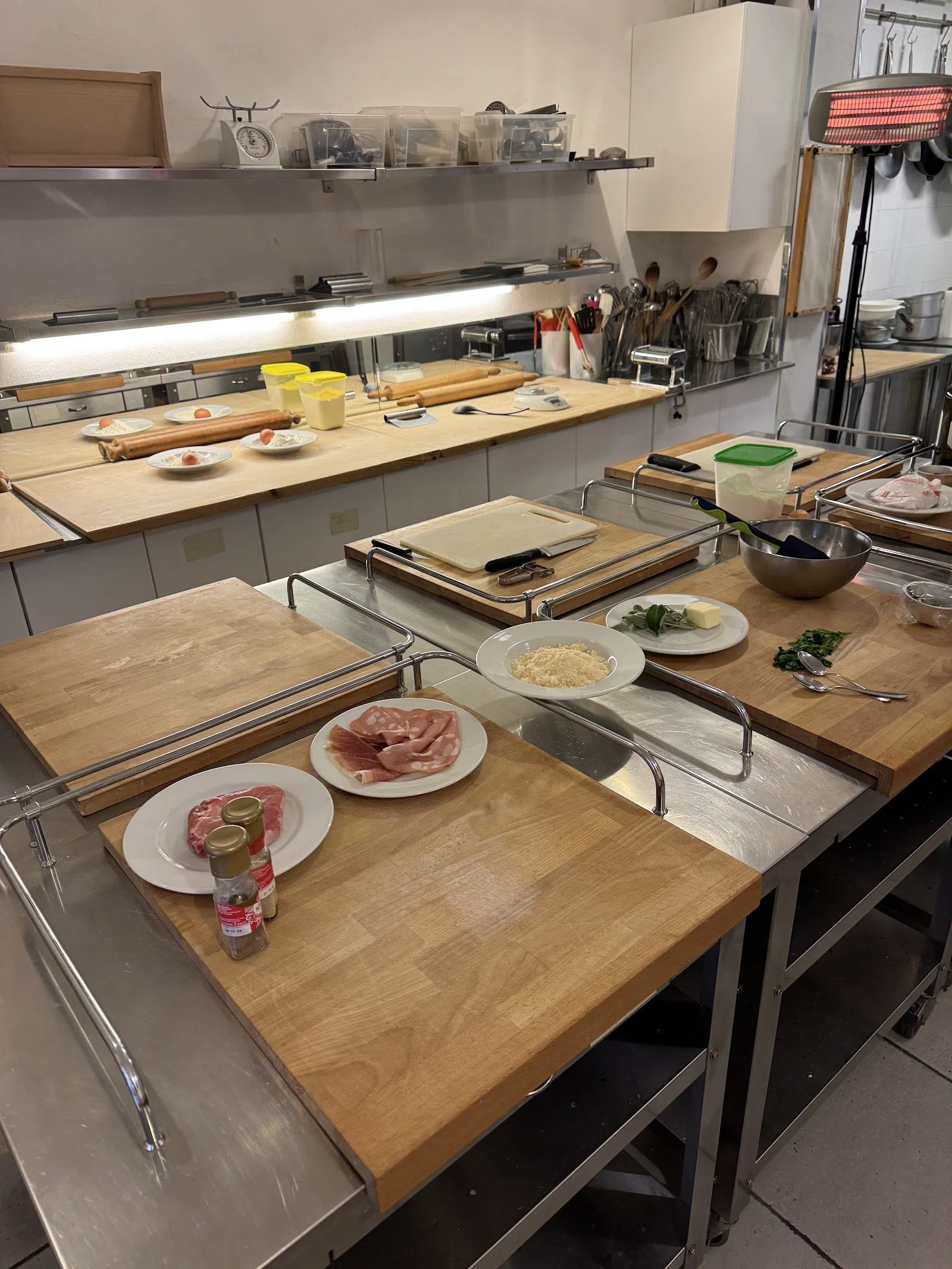
The kitchen has hands-on prep stations side by side and pans of ragù on the hob. Students eat what they made at a long communal table with wine. Pricing follows the size of the booking, €68 to €235 per lesson, scaling from one-to-one up to 15 participants.
Sfoglia Rina's window on Via Castiglione
Sfoglia Rina (Via Castiglione) puts the work behind glass. The pasta laboratory faces the street, sfogline roll and cut in full view, and trays of tortellini and tagliatelle nests fill the chilled counter. Watching through the window costs nothing.

The English-language Pasta School runs on Saturdays from June to September, two hours, €60 per person, seven places. The cheaper multi-class cycles are held outside the centre. Beside the laboratory sits a pared-back modern dining room where a plate of pasta is €€ and tables go first-come.
Alessandra Spisni's school outside the walls
La Vecchia Scuola Bolognese (Via del Partigiano) has been the reference point for hand-rolled sfoglia in the city since Alessandra Spisni founded it in 1993. Long wooden tables stand dusted with flour, mattarelli lean against the wall, and white-aproned sfogline cut tagliatelle by hand with sheets of yellow egg pasta hanging over the table edge.

This is the one school built for a crowd, with dedicated group, team-building and school programmes, and pasta classes for students from €25 per person. The Sfoglia 3 Days course is €549. Booking goes by phone or email in advance. The long professional courses are sold out across most of 2026, so book the short class early. The address is outside the walls.
Le Sfogline in June and July
Le Sfogline (Via Belvedere) is a small family shop where Renata Zappoli and her two daughters have rolled by hand since 1996. Mother and daughters fold tortellini at a flour-covered table, with hand-rolled lasagne sheets and gnocchi in the window display.
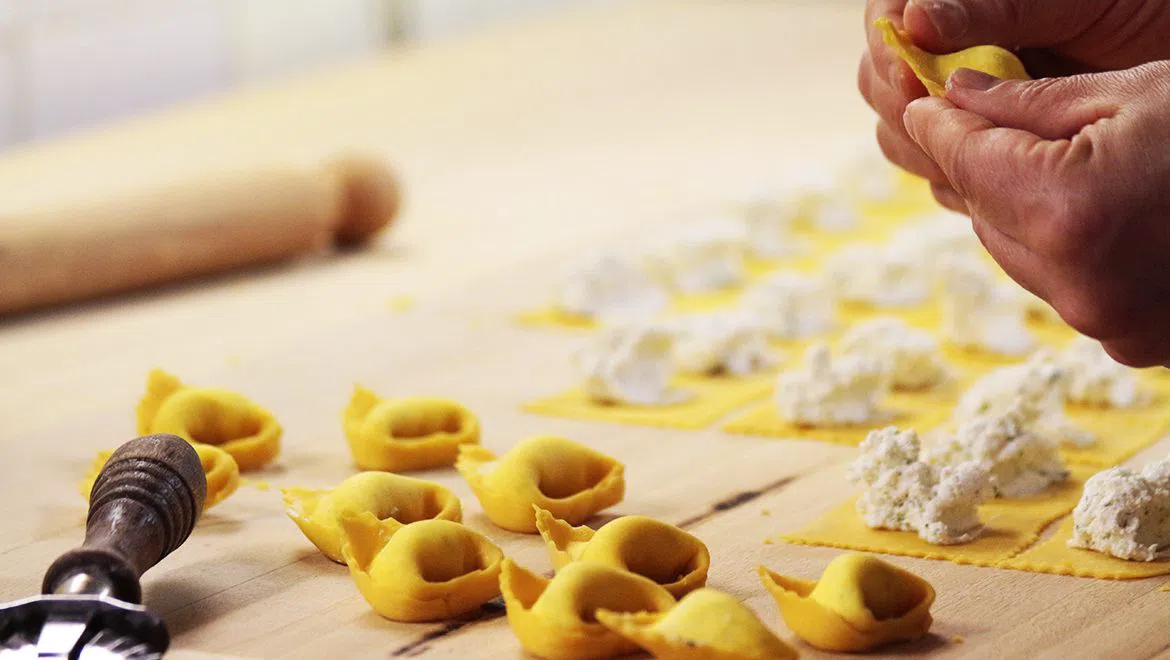
The hands-on lessons run Monday to Wednesday, 15:30 to 18:30, in June and July only. Book by phone or email; the price is quoted on request. For the other 10 months of the year this is a shop visit, with pasta sold by weight at €€.
A villa kitchen 20 minutes out
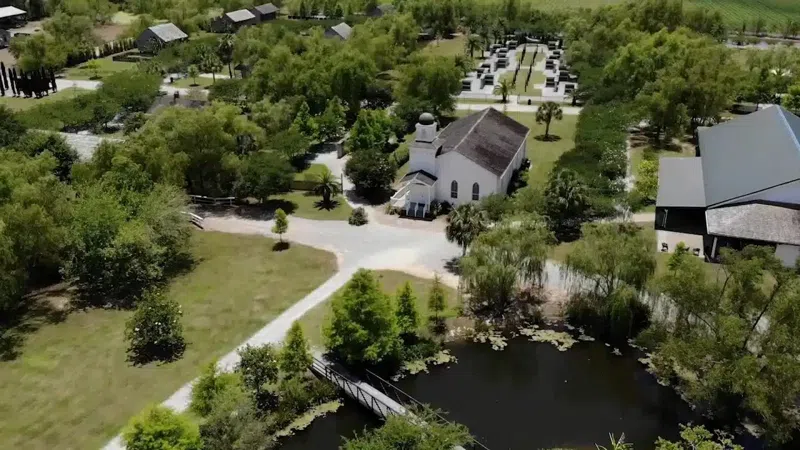
Felsina Culinaria (Villa degli Olmi) is the unhurried version. The kitchen is air-conditioned and the open veranda looks onto a 15-hectare estate around a former hunting lodge, with a long table laid under the arches where green spinach pasta dough is rolled and ravioli pinched. Shared classes run Wednesday and Sunday mornings at €179 to €235 per person, finishing with prosecco.

The booking form takes up to 25 participants, and parties of seven or more get 15% off. The villa is 20 minutes outside Bologna, so you need a car or a transfer.
Pasta workshops at Grand Tour Italia
Grand Tour Italia, on the city's northeast edge, is the food park that was FICO Eataly World until it closed in February 2024; it reopened under the current name in September 2024. Use the new name when you ask for directions.

Regional pavilions line wide indoor avenues on a warehouse scale, cargo-style bikes with baskets move between them, and a glass workshop room holds the aproned sfoglia rolling. The 'pasta chef for a day' sfoglini workshop is priced per person on top of park entry, at €€. This is a theme-park experience and not the old city. Public transport out there is poor.
Quadrilatero counters
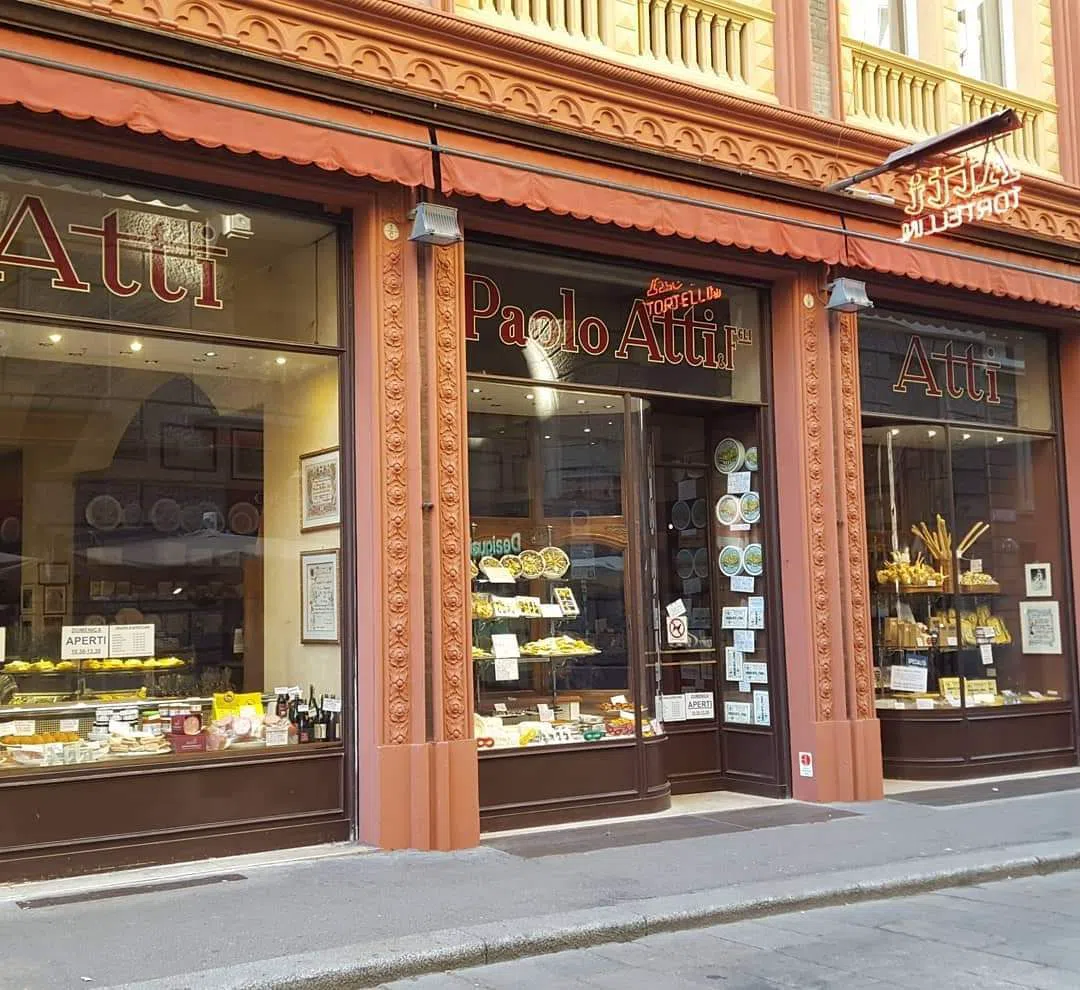
Paolo Atti & Figli (Via Drapperie 6) is the benchmark for judging whether your own tagliatelle came out right. Five generations of the same family have run it since 1868, behind a shopfront of dark wood and glass cabinets holding nests of golden tagliatelle, trays of tortellini, certosino cake and twisted Bolognese bread. A second shop stands a few doors apart at Via Caprarie 7. Pasta is sold by weight, € to €€.
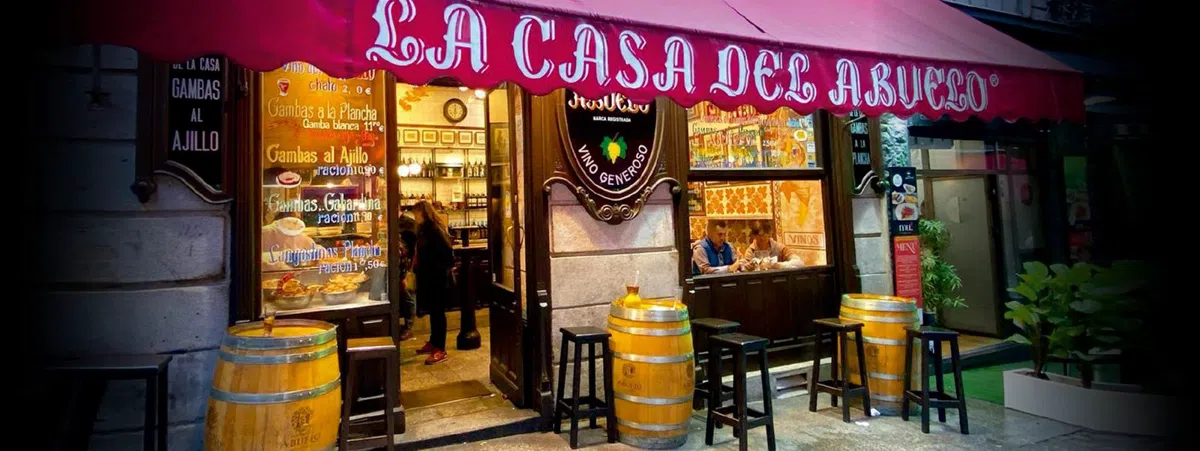
Tamburini (Via Caprarie 1) has been a delicatessen since 1932. Whole mortadelle and salumi hang behind a long glass counter, wine barrels serve as standing tables out in the alley, and the bistro at the back has a tiled floor. Counter plates, a tagliere and wine by the glass run €€.

Two covered markets
Mercato di Mezzo (Via Clavature) fills a three-storey 19th-century iron-and-glass hall in the heart of the Quadrilatero. Counters of mortadella and parmigiano stack up over three floors, standing tables carry spritz glasses, and the lamplight falls on dark wood. Prices run € to €€. No bookings are taken and no door policy applies.

Mercato delle Erbe (Via Ugo Bassi) is the working market locals shop in. Greengrocers' crates of artichokes sit under hanging bulbs, butchers' and cheese counters line the sides, and long shared tables fill the central nave at night. It is walk-in, € to €€.

Drinking and gelato after class
Osteria del Sole (Vicolo Ranocchi) has served nothing but drink since 1465. The tavern is bare, the wooden benches long and communal, the walls covered in football scarves and yellowed photographs, and locals unwrap their own bread and mortadella on the table. You buy your food in the Quadrilatero next door and carry it in. Wine and beer by the glass are €.

Camera a Sud (Via Valdonica) is a narrow bar in the lanes of the old Jewish quarter, with mismatched vintage furniture and warm cluttered shelves. Tall spritz glasses arrive with mint and elderflower off a chalkboard menu, €6 to €8. No reservations.

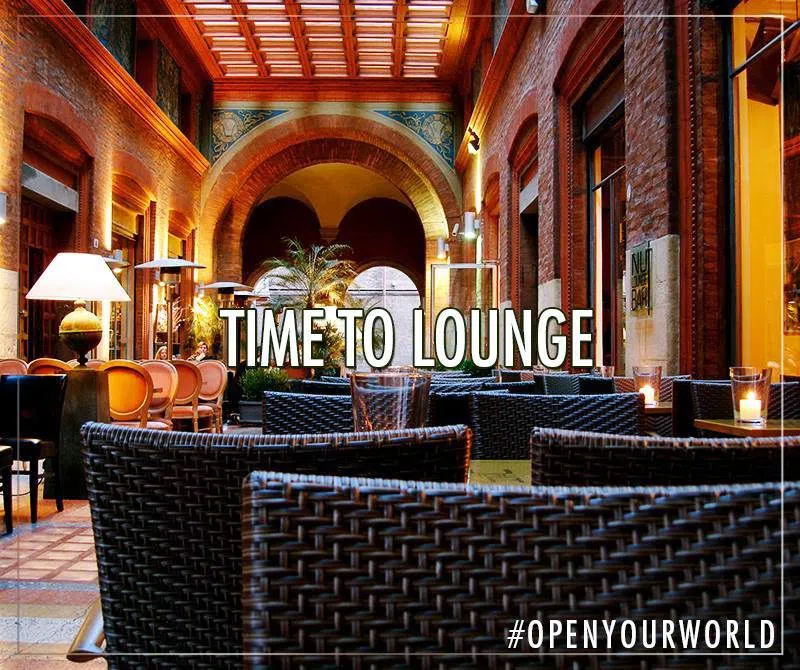
Nu Lounge Bar (Via de' Musei) started Bologna's craft cocktail scene, in a compact low-lit room behind Piazza Maggiore. Tiki and tropical drinks come in carved mugs with garnish from a back wall of rum bottles, €9 to €13, with the bartenders working fast in a tight space. Walk-ins only, and the room is small; expect a wait at peak.
Cremeria Santo Stefano (Via Santo Stefano) keeps its gelato in deep stainless pans behind pale panelling and glass domes, with fruit lollies on a tray. Ask for crema 7 Chiese and cioccolato del Baraccano. A cone starts at €3, and you eat it on the pavement under the porticoes.

Who the class suits
It suits a traveller with a spare afternoon who wants to eat what they rolled, and it asks for patience at the filling stage. Anyone who wants the technique explained should take the bilingual lesson on Via del Pratello; anyone who only wants to see the sfoglia rolled can stand at the window on Via Castiglione for nothing.
Best time to go
Do the markets in the morning. The produce aisles at Mercato delle Erbe pack up at 13:15 and the hall is closed on Sundays. Mercato di Mezzo opens daily from 09:00 to midnight and is busiest at the evening aperitivo crush. Mornings are the calm hours there.
Tamburini runs 08:30 to 20:00, Monday to Saturday, and 10:00 to 18:30 on Sunday, which puts it ahead of most class start times. Paolo Atti & Figli opens on Sunday afternoons, when much of the Quadrilatero does not.
Afterwards, Osteria del Sole pours 11:00 to 21:30 Monday to Saturday, with Sunday hours of 12:00 to 16:00, making it a post-class stop and not a dinner. Camera a Sud runs from midday to 01:00. Nu Lounge Bar opens at 18:00 Monday to Friday and 16:00 at weekends, closing at midnight. Cremeria Santo Stefano is closed Monday and Tuesday, and open 11:00 to 22:00 the rest of the week.
Days, closures and booking
Book every class ahead by phone or email, and check the closed days before you fix a date: no produce market on Sunday, and no gelato on Monday or Tuesday. See the Bologna guide and the Bologna hotel search.
Før du drar
How much does a pasta class in Bologna cost?
Sfoglia Rina charges €60 a person for its two-hour Pasta School on Via Castiglione, and the three-hour class on Via Malta is €115 per adult. Cultura Italiana, on Via del Pratello, prices by group size at €68 to €235 a lesson, while Felsina Culinaria at Villa degli Olmi asks €179 to €235 per person. Students pay from €25 at La Vecchia Scuola Bolognese, whose Sfoglia 3 Days course costs €549.
How long does a class take?
The Via Malta class runs three hours and covers tagliatelle al ragù, ricotta tortelloni and tortellini in brodo. The English-language Pasta School at Sfoglia Rina takes two hours. Felsina Culinaria holds its shared classes on Wednesday and Sunday mornings, and Le Sfogline teach from 15:30 to 18:30.
Do I need to book ahead?
Yes. La Vecchia Scuola Bolognese and Le Sfogline both take bookings by phone or email, and the Via Malta kitchen warns on its own site that dates often go early. Most of 2026 is already sold out for the long professional courses at La Vecchia Scuola Bolognese, so the short class is the one to secure first.
Can children do a pasta class?
The Via Malta class charges €59 for children aged four to 10, and under-fours go free. Felsina Culinaria takes 50% off for under-10s. La Vecchia Scuola Bolognese also runs school programmes alongside its group and team-building work.
Which classes are taught in English?
The Pasta School at Sfoglia Rina is the English-language one, on Saturdays from June to September, with seven places. Cultura Italiana runs bilingual lessons out of an Italian language school, which is where to go if you want the technique explained.