Bologna travel guides & articles
All 8 in-depth pieces we’ve published on Bologna — newest first.
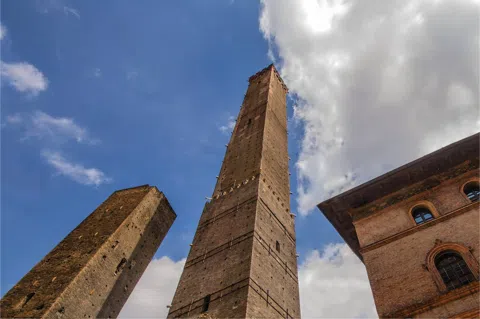
Bologna's Leaning Towers and the Rivalry That Built Them
The tallest one is shut, the crooked one is in a steel corset, and the family feud behind both is still legible three streets in every direction. Here is how to read the towers in 2026.
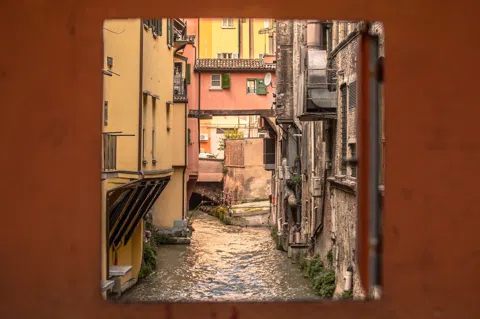
Bologna's Buried Canals, Traced From Street to Tunnel
Beneath Bologna's porticoes runs the silk-trade canal network the city spent a century burying, and this is where it still surfaces, above ground and below.
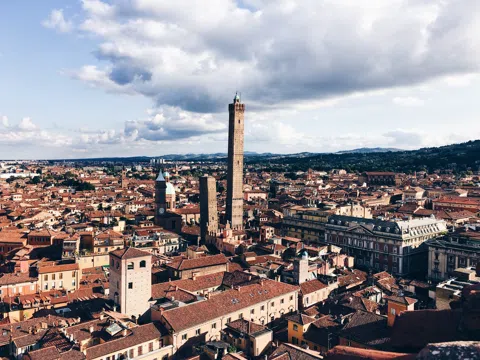
Bologna's Medieval Race to Build the World's First Skyscrapers
Nine centuries after rival families built brick towers to outrank each other, only one of Bologna's original skyscrapers can still be climbed. Here's the full vertical history, tower by tower.
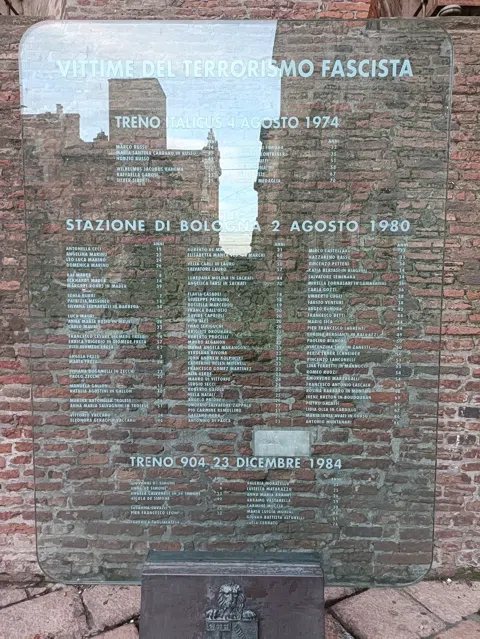
Red Bologna: The Last Communist City in Western Europe
Beyond the towers and the tortellini, Bologna's murals, co-op supermarkets and self-managed social centres still carry the political identity that earned it the name La Rossa.
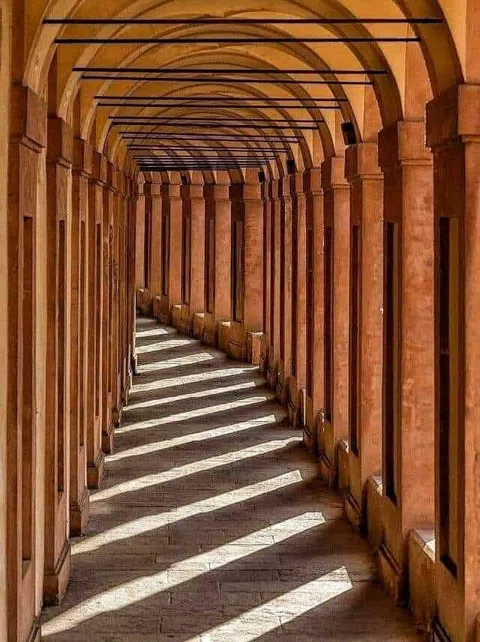
Life Under the Arches: Bologna's 40 Kilometres of Porticoes
A walking guide to the only city on earth built to be crossed dry — from the pilgrim's climb to San Luca to the working-class arches most visitors never reach.
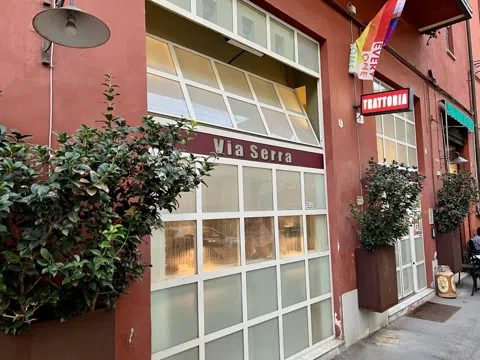
Bologna's Hunger: How Food Built the Soul of the City
A local writer's honest, plate-by-plate guide to eating in Bologna la Grassa — from the city's most obsessive ragù to a 1465 wine tavern where you bring your own dinner.
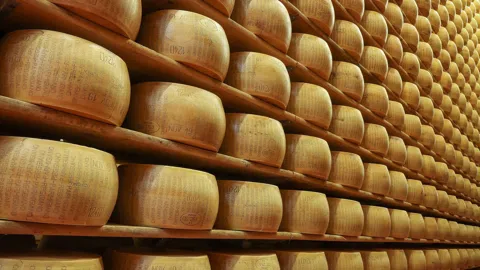
Parmesan, Prosciutto, and Gold: A Day in Bologna's Food Valley
The porticoes get the postcards, but the real Bologna is out on the plain — where Parmigiano is formed at dawn, balsamic ages for a quarter-century in attic barrels, and the ragù is finally worth the drive.
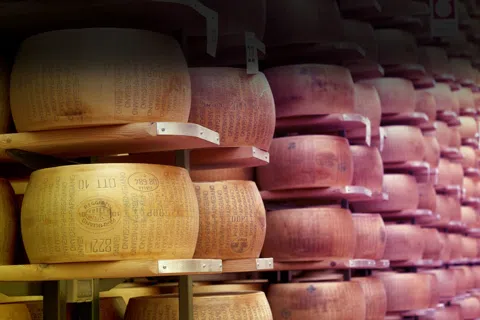
The Best Food Tours in Bologna
Ten tours that actually earn their fee — from a 7am producer run through Parmigiano country to a backstreet crescione crawl — honestly ranked for couples, groups and cooks.